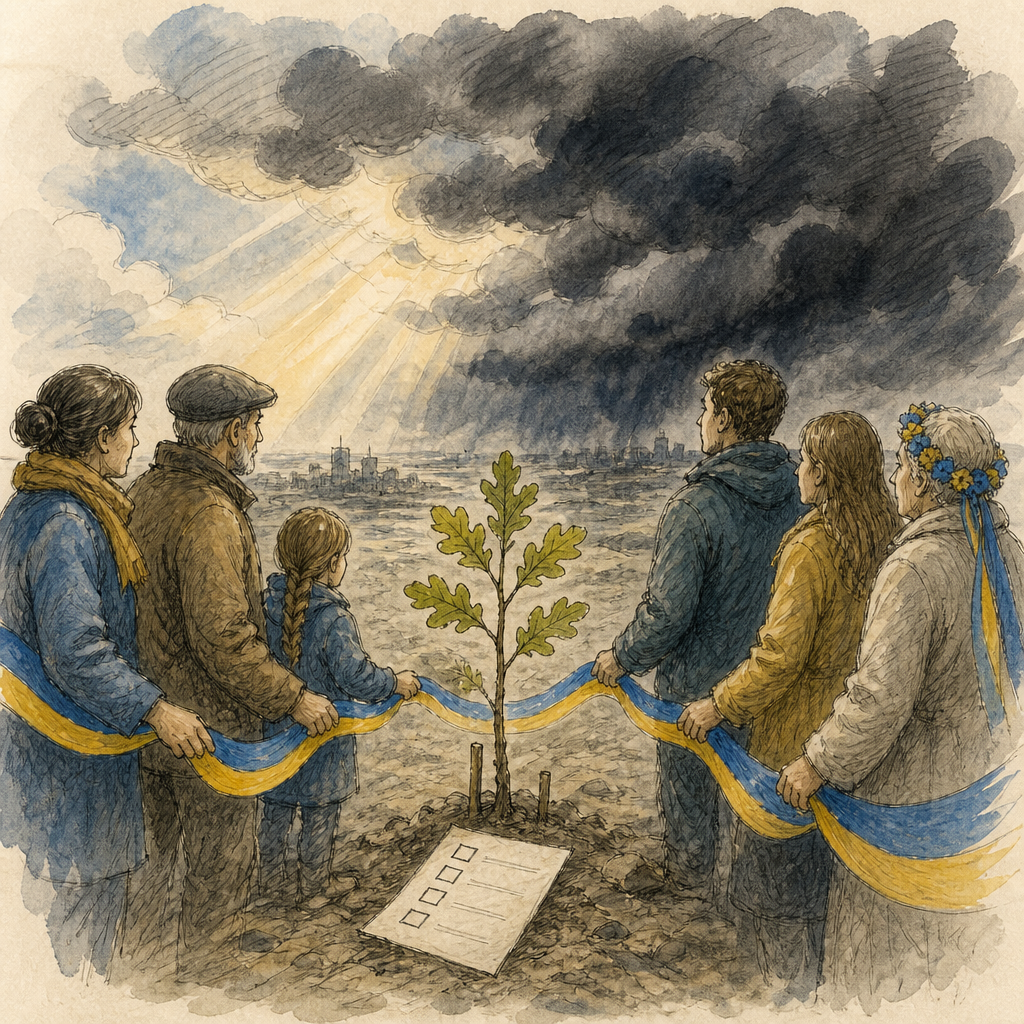
A small mercy, a large war
Somewhere in Ukraine this week, rescuers pulled a seven-year-old boy alive from rubble after a Russian strike. One child, one roof, one morning. It is tempting to read this as a local story — tragedy, then relief, then the news cycle moves on. But ask yourself: why does a single child's survival feel like news at all, nearly four years into this war? Perhaps because we still, rightly, cannot get used to it. That refusal to get used to it is itself a form of civic health worth protecting.
When "over there" stops being over there
The war is no longer politely staying inside Ukraine's borders, if it ever did. NATO territory has felt its edges. A Russia-bound ship was towed away after being attacked in the Gulf of Finland. A Russian warship sank off Benghazi, reportedly after a Ukrainian drone strike — in the Mediterranean, far from any front line a map from 2022 would have shown you.
One can call this escalation. One can also call it something plainer: a reminder that wars fought against the idea of sovereign borders do not, by their nature, respect sovereign borders — including, eventually, other people's. The Gulf of Finland is not Donetsk. Benghazi is not Kharkiv. That is rather the point.
The COP that couldn't, and the war that won't stop
This week also brought the longest UN climate talks on record, ending without a deal, divided over fossil fuels. It is worth sitting with the contrast. Nearly two hundred nations, given years of warning and endless summits, could not agree on language about the fuel burning the planet. Meanwhile, a far smaller coalition of democracies has managed, imperfectly but steadily, to keep supplying, financing, and standing beside a country under invasion for years.
Why the difference? Perhaps because climate diplomacy asks everyone to sacrifice comfort for an abstraction decades away, while Ukraine asks something more legible: do you believe a country gets to exist, or not? Clarity, it turns out, is easier to organise around than atmosphere. That is not an argument against climate ambition — it is an argument that democracies should notice which kinds of solidarity they are actually capable of sustaining, and build on that strength rather than apologise for it.
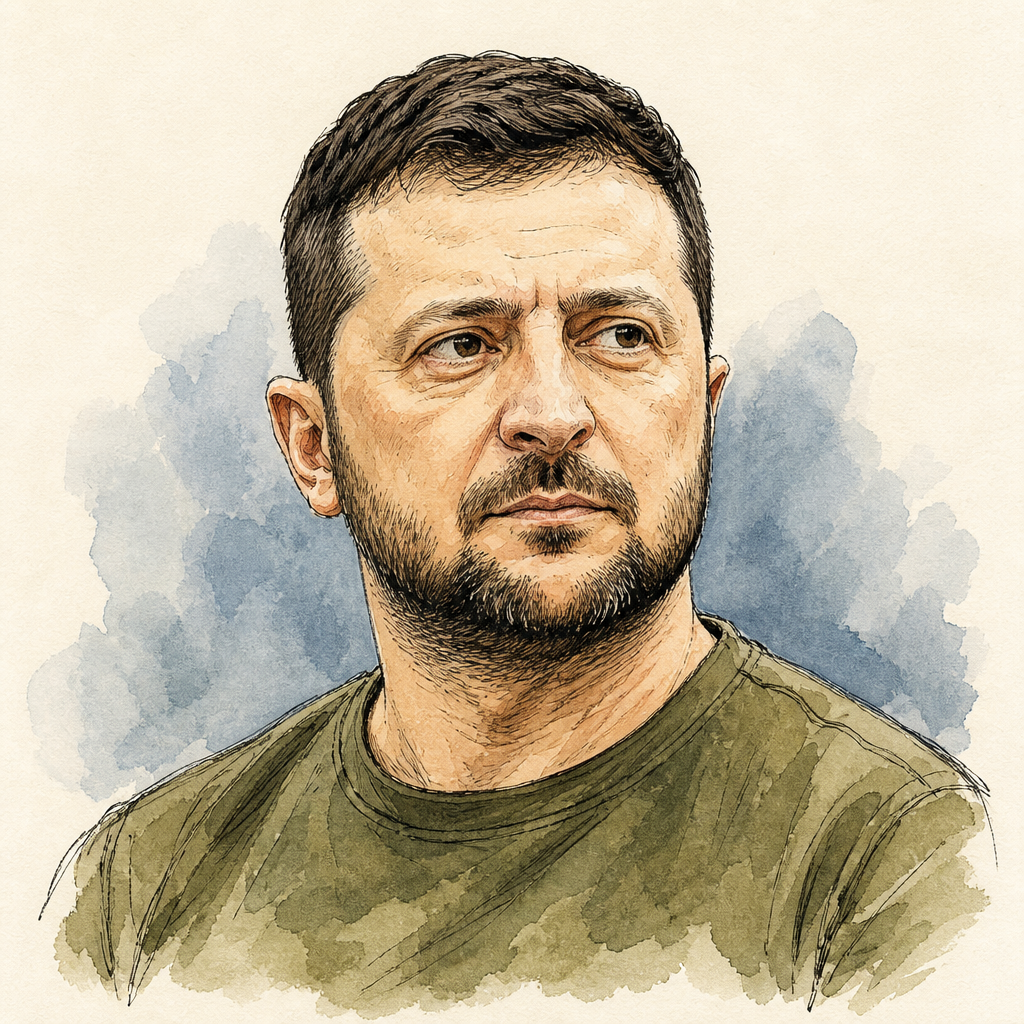
Early courage, not late regret
This publication's habit is to ask readers to notice authoritarian habits early, while protest and support still matter — not afterward, in the comfortable certainty of hindsight. Ukraine is the clearest live case of that principle available to the present generation. Its people did not wait for permission to resist an invasion; its soldiers did not wait for a comfortable moment to defend their cities; its democracy, imperfect like all democracies, kept holding elections of a sort in its institutions even under bombardment, rather than dissolving into a cult of one leader's survival.
Supporting that is not charity. It is reciprocity, the oldest moral arithmetic there is: what you would not want done to your own border, your own child under a roof, you do not get to shrug at when it happens to someone else's. It is also, bluntly, self-interest — a Europe that lets force redraw one border has taught every strongman watching, including those already testing their own neighbourhoods, exactly what the price of patience is.
What is being asked of free peoples
No one is asking for slogans. The ask is unglamorous: continued arms and air defence, continued financing, continued political patience with a war that refuses to resolve on a news cycle's schedule, and continued refusal to let fatigue be mistaken for wisdom. Mr Burnham may call a new EU arrangement a "landmark" that makes the next decade better; decades are made better one unglamorous commitment at a time, not by one summit.
The boy pulled from the rubble did not choose this war. He did, however briefly, remind the rest of us what the stakes of democratic courage actually look like, stripped of rhetoric. That is worth remembering the next time solidarity starts to feel routine.