A Farewell on the Pitch, A Vote Without a Fight
Portugal said goodbye to an era this week, as reports describe a bitter final chapter for Cristiano Ronaldo, the player who reshaped a small nation's sense of itself through a ball and eleven men. It is a tidy, emotional story about one country and its hero.
But step back from the pitch, and a less tidy question appears: who governs the game that made such heroes possible in the first place? FIFA, the body that runs World Cups and decides who hosts them, calls its member countries a family of 211 equal votes. On paper, that sounds more democratic than the UN Security Council. In practice, the family meets, applauds, and rarely disagrees.
One Country, One Vote — But One Opinion?
A congress where every nation, rich or poor, gets a single vote is a genuinely good idea. Reciprocity, applied to governance: what you would want for your own vote, grant to others. The trouble is not the structure. The trouble is what happens inside it.
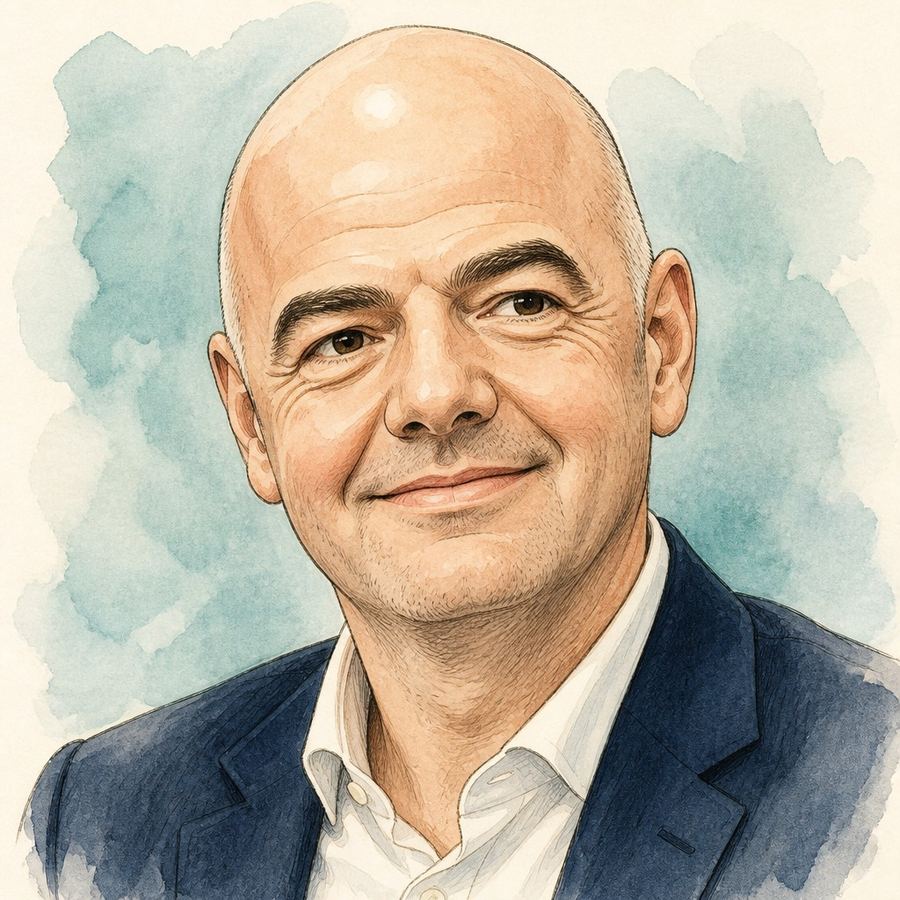
Gianni Infantino has led FIFA for nearly a decade, re-elected repeatedly without serious challengers, while the organization's host selections increasingly arrive as near-unanimous nods rather than contested votes. A congress that always agrees is not a congress. It is an audience.
Meanwhile, Elsewhere, Democracy Makes Noise
Compare that calm to the actual democratic churn making headlines today. France is in the streets again, unions demanding answers, because citizens there still believe protest can move power. The United States just handed Congress to a different party than the one holding the presidency, forcing an uncomfortable, argumentative, very public negotiation over what comes next. South Africans went to local polls angry at their governing party over basic services — angry enough to vote, which is the whole point of voting. And in Hong Kong, a young man named Joshua Wong was sentenced to ten years for the crime of organizing peaceful dissent, a sentence that exists precisely because real opposition still frightens real power.
Notice the pattern. Democracies worth the name are loud, inconvenient, and full of people who lose gracefully and stay in the room to fight again. Dictatorships, and quietly authoritarian habits wherever they grow, prefer congresses that only ever say yes.
The Test Is Friction, Not Form
Here is a simple test, and it costs nothing to apply: does this organization — a government, a party, a sports federation, a company board — tolerate a real opposition candidate? Does it have term limits it actually honors? Can a losing position be argued loudly, in public, without consequence to the person arguing it?
FIFA, on current evidence, struggles with that test. So do an increasing number of governments the world is watching nervously this year. The two are not unrelated. Football is the most watched civic ritual on Earth; billions of people absorb, almost without noticing, what "normal" leadership looks like by watching how its institutions behave. A congress that applauds instead of debates teaches a quiet lesson about power to an enormous audience that never meant to enrol in that class.
What a Braver Congress Would Look Like
A genuinely democratic FIFA would have enforced term limits with teeth, competitive and transparent bidding for tournaments, independent human-rights review of hosts before votes rather than after criticism, and a press corps with real access to ask real questions in the room. None of this is radical. It is simply what every functioning parliament already claims to offer its own citizens.
The Standpoint
Cheer for the football. Cherish the Ronaldos and the small nations they lift. But do not mistake a congress of applause for a parliament of accountability. The lesson of this particular week — strikes in France, a changed Congress in Washington, angry voters in South Africa, a jailed dissident in Hong Kong — is that democracy is never calm, and it is not supposed to be. An organization that never disagrees with itself is not practicing democracy. It is merely borrowing its vocabulary.