Two Mornings, Two Doors
Somewhere this week, a door opened before dawn and officers came through it to search the home of a sitting member of the United States Congress. Ilhan Omar says the raid was so startling she is now moving out of her own house. Whatever the justification turns out to be, notice the hour. Pre-dawn raids are a technique, not an accident. They are chosen because darkness removes witnesses and because a half-asleep household cannot easily call a lawyer, a neighbor, or a camera crew.
Somewhere else this week, immigration advocates say severely ill detainees are being readied for deportation to African countries they have no ties to — not their homelands, just wherever a flight can land. No public itinerary. No clear consent. Just a plane.
And somewhere else again, two European women held captive for more than a year were finally freed in Libya and will be met, almost certainly, by cameras, relatives, and a government eager to say: welcome home.
Three stories, three doors. Worth asking why some open to applause and others open only in the dark.
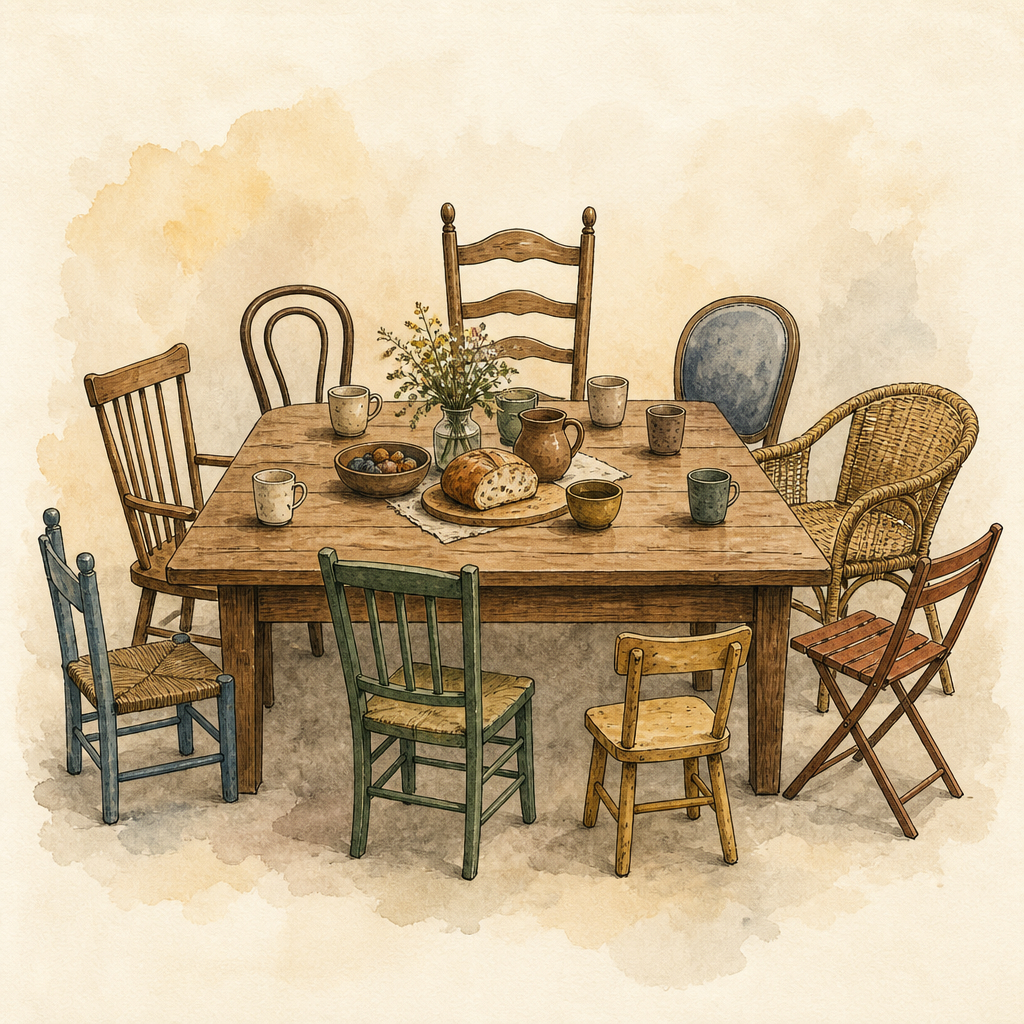
The Shared Table Has Rules, Not Just Room
A shared table is not a buffet where anyone grabs a plate. It has rules: you ask before you sit, you know who else is eating, and nobody gets quietly removed once the meal has started. That is what due process actually is — not red tape, but the furniture of equal dignity. A knock you are allowed to question. A destination you are allowed to know. A body that cannot be used without your yes.
This is also, not coincidentally, the week a US-backed vaccine trial involving African newborns was halted, and police in Guinea-Bissau raided the researchers behind it. Set aside the specifics for a moment and ask the plain question: would the same trial design, the same consent paperwork, the same monitoring, have been offered to newborns in Paris or Ohio? If the honest answer is probably not, then the issue was never really about vaccines. It was about whose children get to be subjects of discovery and whose get to be patients.
The Golden Rule Travels Badly When Convenient
Reciprocity is simple to state and inconvenient to practice: do not do to others what you would not want done to you. Nobody designing a pre-dawn raid imagines it happening to their own household. Nobody drafting a deportation order to "an African country" pictures their own ailing parent on that plane. Nobody approving a trial protocol for someone else's newborn would sign the same form for their own.
The test of a democracy is not how it treats people it already likes. It is whether the same checks — a lawyer informed, a destination disclosed, a consent form actually understood — survive contact with people who are inconvenient, foreign, poor, or simply less photogenic than two rescued hostages stepping off a plane into applause.
Welcome Is Not the Hard Part
Everyone can manage welcome when the story is clean: captives freed, cameras ready, a government that gets to look good. The harder test is the unglamorous cases — the sick detainee with no lobby behind him, the newborn enrolled in a study she cannot consent to, the elected official whose politics make her raid less newsworthy than it should be. A shared civic table is judged by its plainest guests, not its most telegenic ones.
This is not an argument against borders, against security checks, or against the hard, ordinary work of research and medicine. It is an argument that the paperwork of dignity — notice, consent, visibility — is not decoration. Strip it away for the people least able to object, and you have simply built a two-tier table: open seating up front, a trapdoor in the back.
Good democracies do not need darkness to get their work done. If a policy only survives when nobody is watching, that is the whole review it needs.