A crowded day for dread
Today's list of global grief is long enough to exhaust anyone's capacity for concern. Migrants dying at a fence in Ceuta. A settler on camera calling revenge justice. An ex-president walking free after a conviction is undone. Ebola spreading faster than it ever has. A World Cup sponsorship plan quietly abandoned. Somewhere in the middle of that list, almost easy to skim past: Russian strikes on Kyiv killed at least nine people overnight.
It would be reasonable to ask why, out of all this, one item should occupy more of our attention than the rest. Isn't grief supposed to be shared equally? Shouldn't a newspaper devoted to common sense resist ranking tragedies?
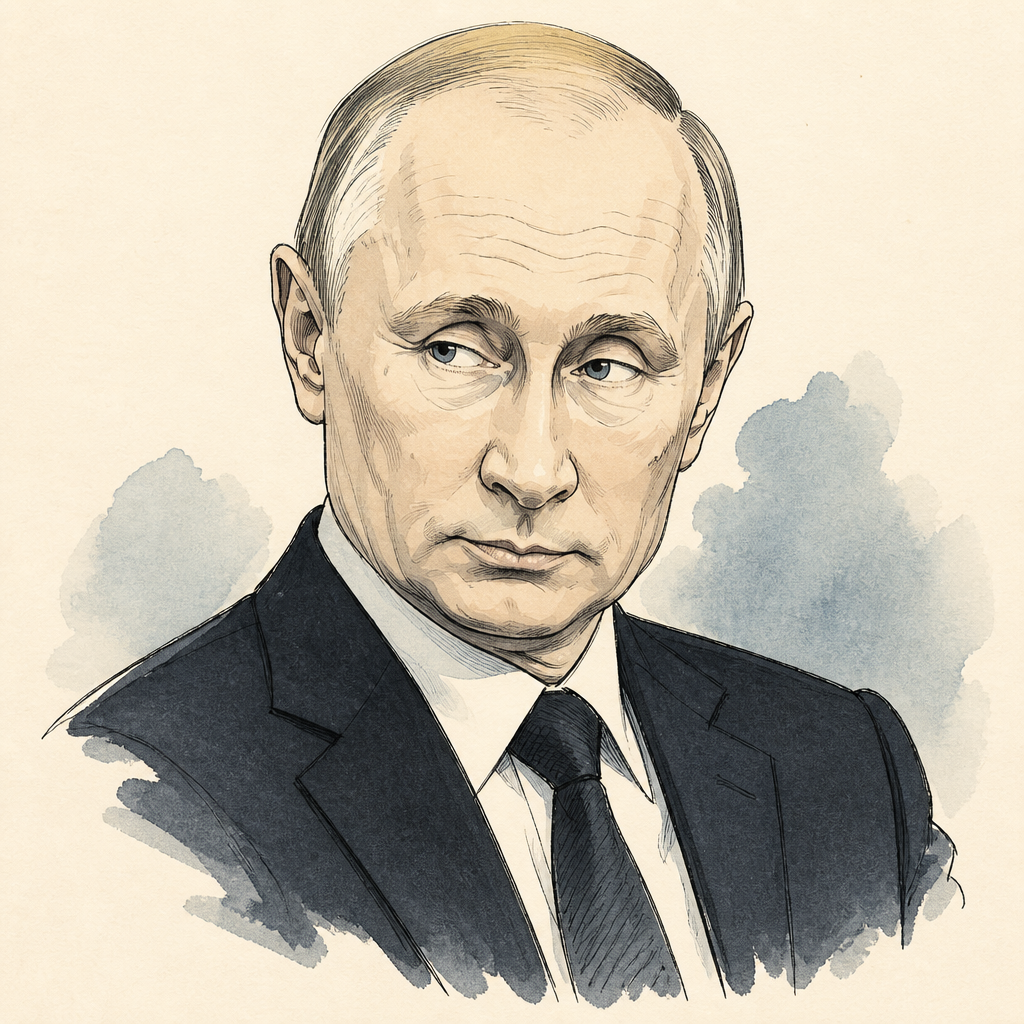
Here is my answer, offered plainly rather than shouted: I fear what Vladimir Putin is capable of more than I fear almost anything else in the news today, and I think that fear is rational rather than dramatic.
Why this one, and not the others
The settler's justification of revenge is ugly, and worth confronting — but it is the moral failure of an individual claiming a licence no state granted him. Peru's courts reversing a corruption verdict is worth watching — but it is a story about institutions correcting themselves, however imperfectly, which is more than autocracies ever attempt. Fifa scrapping an investment plan is a story about an institution occasionally listening to criticism. Even the Ceuta deaths, however devastating, describe a crisis of desperation and traffickers' cruelty, not a head of state ordering the deaths as policy.
Putin's case is different in kind. He commands a nuclear arsenal. He chose a war of territorial conquest, and years into it, still finds it acceptable to send missiles into apartment blocks in a capital city, killing people who have no say in his decisions and no ballot with which to remove him. That is not chaos. That is a demonstrated pattern, repeated long enough that it can no longer be called an aberration.
Other leaders in today's news trade in their own kind of danger — a president brokering disarmament deals through personal deal-making rather than durable institutions, distant powers patient enough to wait out democracies. Those deserve scrutiny too. But none combine, quite so completely, the custody of catastrophic weapons with the proven willingness to kill civilians as a matter of course, answering to no electorate, no free press, no opposition that survives contact with him.
Borders, real and drawn
There is an uncomfortable echo running under today's headlines. Europe worries, rightly, about lines being crossed by people fleeing hardship — sixty thousand souls at a fence, dozens dead in the crush. And to the east, a different kind of border trouble continues: lines being erased not by desperate people but by artillery, at the order of one man who has decided the borders of a sovereign neighbour are optional.
Both are border stories. Only one is a policy, chosen and repeated, by someone who could stop it tomorrow and instead renews it.
What follows from the fear
Fear, treated honestly, is not an excuse for panic. It's an instruction. If the danger from Moscow is categorically larger than the danger from most of today's other headlines, then the sensible response is not despair but steadiness: keep supporting Ukraine's defence, keep European unity intact, keep sanctions consistent rather than performative, and resist the temptation to let each day's fresh crisis — however real — crowd out attention to the one actor with both the capability and the demonstrated appetite for catastrophic escalation.
None of this requires hatred of Russia or its people, most of whom have no more say in this war than the residents of Kyiv's apartment blocks. It requires clarity about the difference between a leader accountable to courts, parliaments, and voters, however imperfectly, and one accountable to none of them.
Worry, if you like, about all of it — the fence, the flames, the outbreak, the verdicts overturned. Common sense doesn't ask you to feel less for any of them. It only asks you to notice which danger, unaddressed, could still make all the others look small.