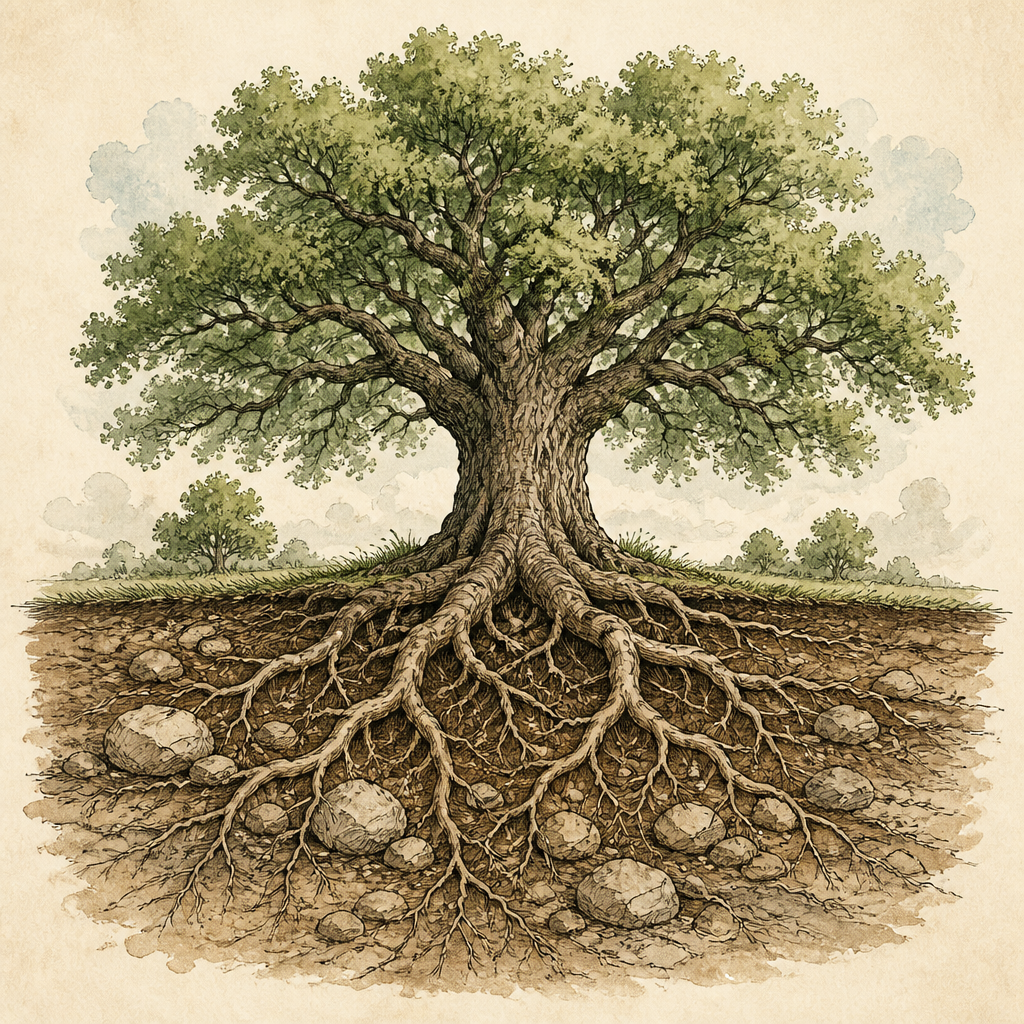
The News Cycle Is a Weather Report. Institutions Are the Climate.
Today Americans vote in midterms that will decide control of Congress. Today, not coincidentally, a US strike on an Iranian island made headlines just before the polls opened. Today, in Kherson, a short ceasefire let people queue for bread without flinching at the sky, before the war presumably resumed its normal shape. Today, in Cairo, regulators fined an editor and shut a newsroom that had spent a decade annoying people worth annoying.
Four stories. One question: which of these will anyone remember in 2036?
Probably not the strike's exact timing, though someone will write a thesis about it. Probably not the ceasefire's precise hours, though the families who got one ordinary afternoon will remember it the way you remember the last good day before a diagnosis. What tends to last is slower and less photogenic: whether courts still hear cases without fear, whether a newsroom can still publish an inconvenient fact, whether an election happens on schedule whether or not a missile flew the week before.
The Strike and the Ballot Box
There is an old, almost boringly reliable pattern: tension abroad rises conveniently near elections at home. Common sense does not require a conspiracy theory to notice the pattern — only a calendar. The healthy response is not outrage, which burns off in a news cycle, but a quieter discipline: ask whether the institutions meant to check power — courts, a free press, an opposition that still gets to compete — are stronger or weaker than they were last year. Midterms are not exciting. That is their virtue. A boring, on-schedule election, with boring, verifiable counting, is an oak. A dramatic strike timed for maximum headline is weather.
Mada Masr and the Slow Work of Not Flinching
Egypt's decision to fine editor Lina Attalah and shut Mada Masr will not trend for long outside press-freedom circles. That is exactly the danger. A newsroom is a root system: invisible most days, doing unglamorous work — court records, budget lines, the names of people who'd rather stay nameless. Cut a root and the tree does not fall over that afternoon. It takes a season, maybe three, before the leaves start thinning and everyone wonders why. Readers of this paper know the sequence by now: first the inconvenient outlet is fined, then it is "irregular," then it is gone, and the country discovers — usually too late, usually with surprise it insists it didn't see coming — that no one is left checking.
The Ceasefire That Wasn't an Institution
Kherson's pause was real and precious — ordinary life, for an afternoon, is not nothing. But a ceasefire without an institution behind it is a leaf, not a root: beautiful, temporary, gone with the next wind. What makes a peace last is not the goodwill of the hour but the boring architecture around it — monitors, guarantees, a military strong enough to deter the next violation, treaties that survive a change of government. Ukraine's defenders are not fighting so that today's pause becomes next year's headline about a brief return to normal life; they are fighting, at cost, so that normal life becomes permanent enough to stop being news.
The Standpoint
Here is the wager this paper makes, plainly: attention spent chasing the day's spectacle is attention stolen from the institutions that make spectacle survivable. Watch the strike, by all means — but watch the courts more. Mourn the shuttered newsroom, and then subscribe to the ones still standing. Welcome the ceasefire, and then ask who is building the treaty underneath it. An oak took longer to grow than any headline took to write, and it will outlast every one of them, provided someone keeps watering the roots instead of just admiring the leaves.