A Waiver, Not a Peace
This week brought a small, procedural-sounding story: several sanctions on Russia have been waived, even as the public argument between Washington and Kyiv grows louder. Ukraine's president asks, reasonably, for new sanctions to replace the old ones being lifted. It is a quiet news item, easy to scroll past. It should not be.
Ask yourself a simple question: what does a man who has already shown you what he is capable of do with a pause? He does not rest. He regroups.
Why Fear This One Most
There are several strongmen on the world stage today, and this newspaper has never pretended otherwise. Personality cults are not a Russian invention; they travel well. But fear, to be useful, must be specific, not decorative.
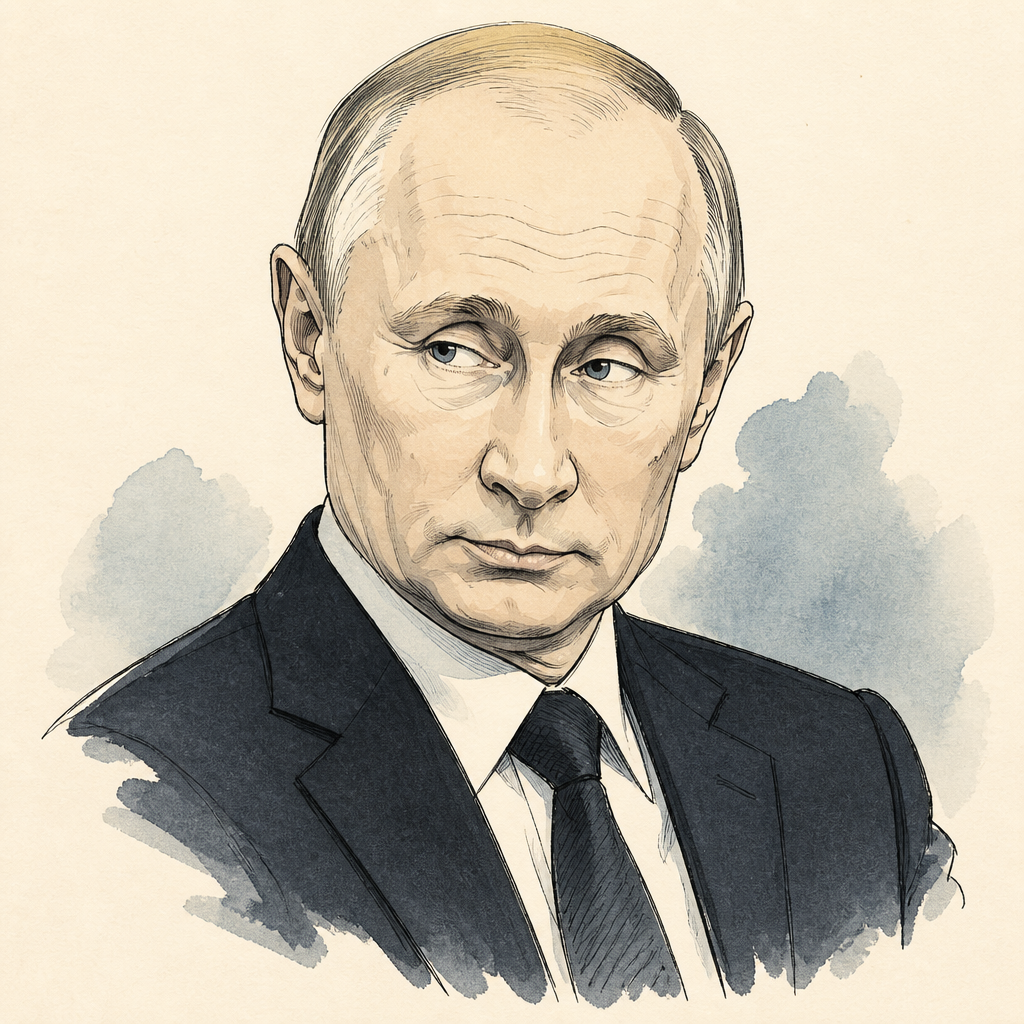
Vladimir Putin is not frightening because he postures. He is frightening because he has already done the thing others only gesture toward: annexed a neighbor's territory, more than once, across more than a decade; jailed or exiled the opposition that might have stopped him; used energy and grain as weapons against people who never voted in a Russian election; and normalized, patiently, the idea that borders in Europe are negotiable if enough people get tired of defending them.
Other leaders flirt with authoritarian habits. He has already graduated. That difference matters, and pretending it doesn't is the first comfortable lie a tired world tells itself.
South Africa's Overdue Invoice
Elsewhere in the news this week, South Africans are still, decades on, trying to get justice for apartheid-era crimes. Not out of nostalgia for grievance, but because an invoice unpaid does not disappear. It accrues interest, and it is handed, eventually, to people who did nothing to earn it — grandchildren settling a bill their grandparents never dared present.
This is the lesson worth carrying into any debate about sanctions, waivers, and the tactical patience of great powers. Leniency granted to stop an argument today does not erase the debt. It only decides, in advance, which future generation will be asked to collect it.
The Spat and the Signal
Here is the contradiction worth sitting with, Socratically, rather than shouting about: a public quarrel is intensifying with the victim of an invasion, at precisely the moment pressure is eased on the invader. If the aim were to discipline Kyiv's tone, was Moscow's reward really the only lever available? And if the aim were leverage over Moscow, why hand it back for free, mid-argument, with nothing yet delivered in return?
A child could ask the question. The silence in response is the interesting part.
The Wise Position
This is not an argument for endless escalation, nor for romanticizing war, nor for pretending diplomacy is weakness. Diplomacy that ends wars is a democratic virtue, not a betrayal of one. But diplomacy conducted by discounting the penalty on the party who started the war, while scolding the party defending itself, is not diplomacy. It is fatigue wearing diplomacy's coat.
The wise position is unglamorous: keep sanctions tied to behavior, not to the mood of an unrelated argument. Make Moscow earn relief with verifiable steps, not receive it as a side effect of frustration with Kyiv. Democracies survive by being boringly consistent about which habits they reward and which they punish. Autocrats survive by betting that democracies will eventually get bored of being consistent.
Fear, used correctly, is not panic. It is memory with good posture. Remember what has already been done, by whom, and do not discount the bill simply because the quarrel in the room has gotten loud.