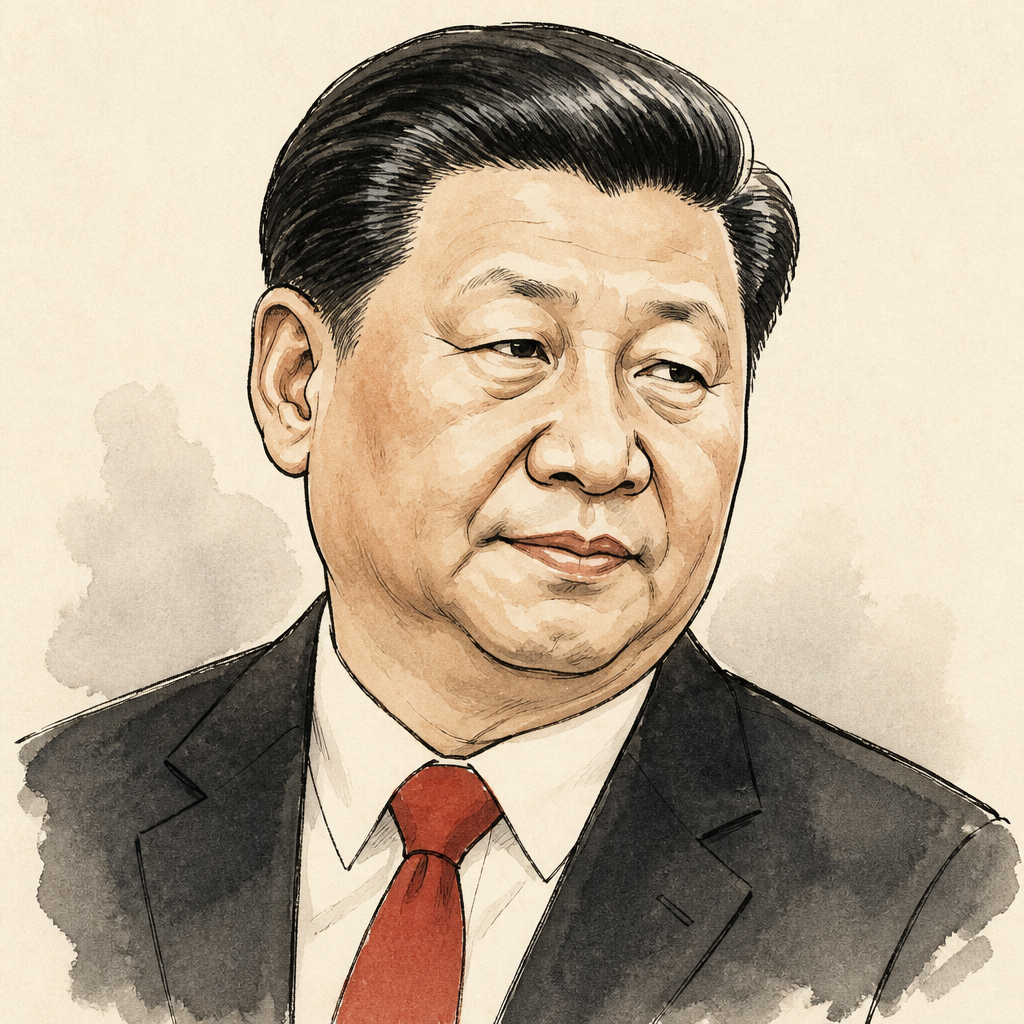
A meeting, touted
This week brought a familiar kind of headline: Trump touts meeting with Xi and Putin but offers few results. No treaty, no breakthrough, no surprise. Just three men, a room, and a photograph that will outlive whatever was actually said.
It is tempting to read this as failure. Nothing was decided, so nothing happened. But ask the Socratic question: failure for whom? A summit that produces no commitment is a loss for those hoping for resolution. It may be a quiet win for anyone hoping only for more time.
Talks about talks
Look at the pattern of this same season. Nations at UN talks on AI killer robots agree to more talks but no firm commitment to rein them in. COP31 climate negotiations end in deadlock over fossil fuels. Ukraine and Europe, by a military analyst's account, are left outside the room while their war is discussed by others.
None of these are Xi's doing alone. But notice the shape they share: process without conclusion, attendance without obligation. When a democracy delays a decision, we call it due diligence, and we complain about the paperwork. When an authoritarian system delays a decision, it is not bureaucracy slowing a commitment down — it is strategy, buying the one resource that compounds in silence: time.
The fear, stated plainly
Here is the fear worth naming, not whispering: that Xi is not resisting the rules-based order out of conviction, nor fully joining it out of trust, but simply outlasting it — attending the summits, signing the communiqués that bind no one, funding the robots talks that end in "further discussion," until the balance of power in trade, in technology, in military capability, makes the asking of permission unnecessary altogether.
Is this evidence, or is it merely a fear? Fairly: it is a pattern, and patterns deserve scrutiny before they deserve a verdict. China's economy has slowed. COP31's deadlock was not Beijing's alone — fossil-fuel interests on every continent share the blame. Xi has his own fragilities: a property crisis, a workforce ageing faster than it can be replaced, a younger generation whose patience is not infinite either. A wise reader resists turning one man into a supervillain; that, too, is a kind of flattery.
What patience is for
But here is the standpoint worth holding anyway: democracies should stop measuring these summits by what gets signed and start measuring them by what gets built in the meantime. If an authoritarian system is using the pause to strengthen its military, its chip supply, its influence over supply chains and institutions — then the free world's use of the same pause matters more than the next handshake photo.
That means two things, held together without contradiction. First, keep talking — the alternative to flawed diplomacy is not purity, it is silence, and silence helps no one but the patient. Second, do not confuse talking with safety. A democracy that negotiates while quietly letting its own defence, its own alliances, its own technological independence erode is not being patient. It is being slow in the wrong direction.
The golden rule, applied to summits
The oldest test still works: what you would not want done to you, do not do to others — and also, do not let others do it to you while calling it dialogue. If Xi would not accept being left outside the room where his own security is decided, he should not expect Ukraine, or Europe, to accept it either. Reciprocity is not naive. It is the only honest ledger by which "fair response" and "patience" can both be judged.
So: is Xi merely playing with us until the scales tip? The honest answer is — we do not yet know, and that not-knowing is precisely the point. The wise response is not panic and not relaxation. It is to use the same unhurried years he is using, and to make sure that when the waiting ends, it is democracies, plural and allied, who are still at the table — not merely still invited to it.