A Resignation With No Fireworks
Somewhere this week, a president resigned. No tanks rolled. No balcony speech about destiny. He simply cleared the way for early elections in Serbia, and the news cycle moved on within a day, because — and here is the quiet scandal of it — nothing dramatic happened.
Compare that to what counts as drama elsewhere on today's list: a rebel offensive against Ethiopia's army stoking fears of civil war, a Himalayan avalanche, front-line fighting for a Yemeni city, four killed in a helicopter crash. Real tragedies, real headlines. A resignation that merely opens the door to a vote barely registers as news at all.
Which raises a question worth sitting with: why does democracy's actual mechanism — someone losing power on schedule, or choosing to step back so others can compete for it — feel so boring compared to almost everything else in the world? And should we be worried when the boring thing stops happening?
Crowns Are Loud, Ballots Are Quiet
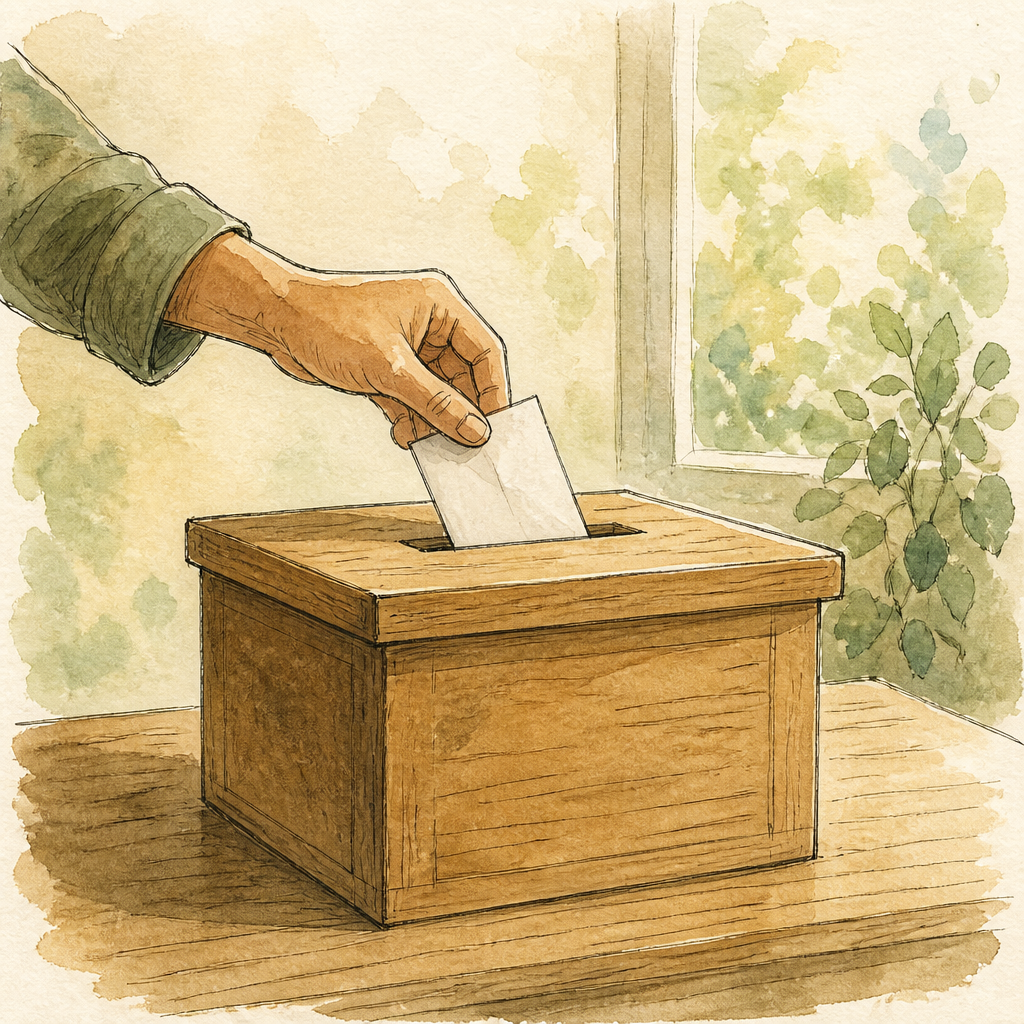
A crown announces itself. Coronations, military parades, a leader's face on every building — these are designed to be seen and felt, to make power feel inevitable, almost weather-like. A ballot, by contrast, is a stack of paper counted in a fluorescent-lit gymnasium by tired volunteers. Nobody has ever made a good movie out of vote-counting.
But here is the trick: the boring thing is the only one that lets a country change its mind without setting itself on fire. Yemen's front line, Ethiopia's rebel offensive — these are what happens when the question "who governs us" has no quiet mechanism left to answer it, only a loud one. Elections are not exciting. That is precisely their genius. They convert the most dangerous question a society can ask — who has the guns — into the most mundane one — who got the most marks on a piece of paper.
Venezuela's Down Payment
This week also brought word that Venezuela released dozens of political prisoners, amid growing international calls for real elections. Notice the word "amid." Nothing has been delivered yet — a release of prisoners is not a free vote, any more than an apology is a repaired friendship. It is, at best, a down payment.
Still, a down payment is not nothing. Every dictatorship that has ever loosened its grip did so first by releasing a few names it could no longer justify holding, testing whether the world was watching before it dared test whether its own people were. The right response to Caracas is neither applause nor cynicism, but arithmetic: count the prisoners released, then count whether an actual ballot follows. Governments that fear counting heads usually reveal it by continuing to count cells instead.
The Boring Genius, Defended
So here is the standpoint, plainly: a resignation that clears the way for an election deserves more attention than it gets, not less — precisely because it is unglamorous. The temptation in every era is to mistake the loud, photogenic exercise of power for strength, and the quiet handover of it for weakness. It is the opposite. A leader strong enough to lose an election and still get up the next morning is demonstrating something no crown, no coup, no strongman rally ever can: that the system is bigger than the man.
That is worth noticing early, and worth protecting while it still feels ordinary. Nobody marches in the streets to defend a boring election. People only march for it once it has been taken away — in Yemen, in Ethiopia, in the countries where counting heads stopped being an option long before anyone thought to miss it.
So perhaps the useful habit for readers today is small: when a president resigns instead of resisting, when prisoners are released instead of quietly forgotten, treat it as news — not because it is loud, but because it is the sound democracy actually makes. It hums instead of roars. That hum, tedious as it is, is worth straining to hear.