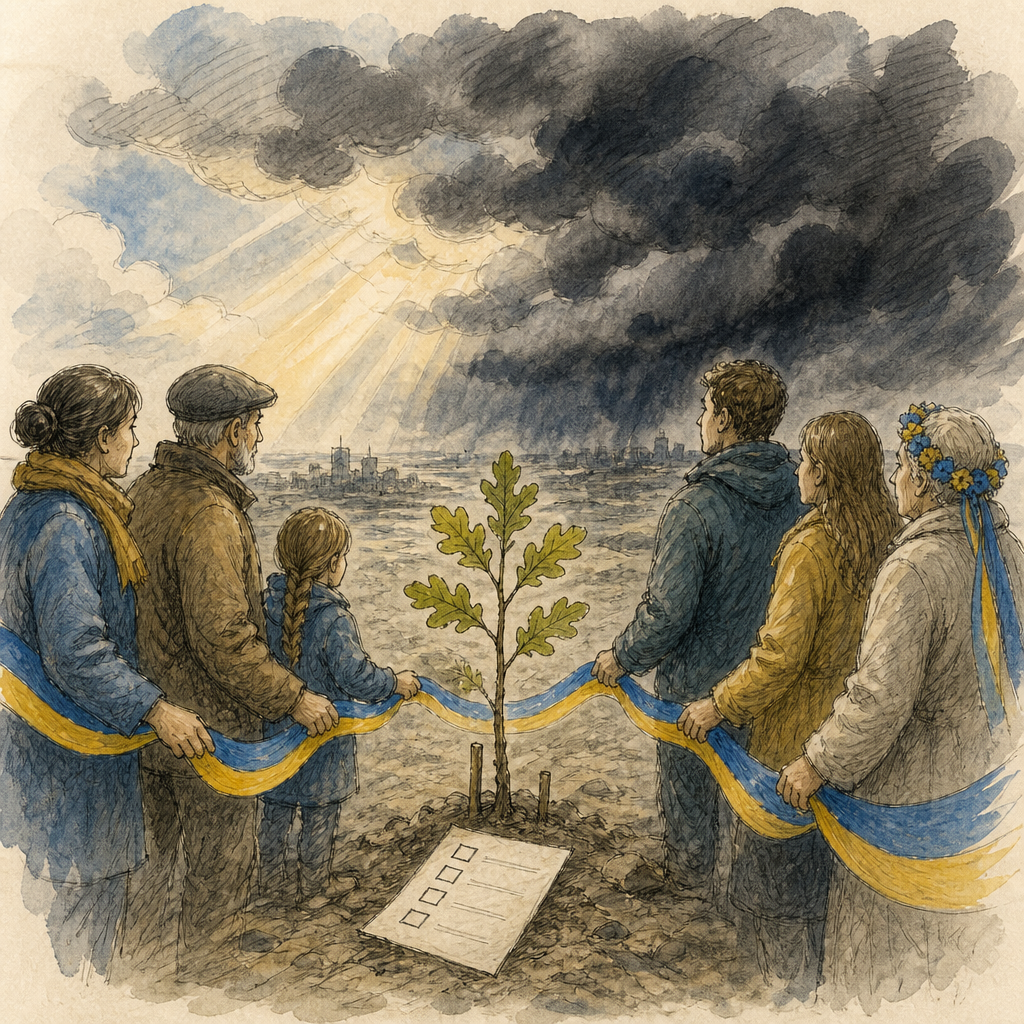
A good kind of noise
Three years after the 7 October attacks, Israelis are in the streets demanding an inquiry into their own government's failures. Notice what is not happening. No one is being arrested for asking the question. No newspaper is being shut for printing it. The state that failed its people is being asked, loudly, by its own people, to explain itself.
That is not weakness. That is the operating system of a democracy doing its job.
Compare the quiet
This week Nicolás Maduro is expected to face yet more charges. For years, Venezuelans who asked uncomfortable questions about elections, prisons, or vanished opponents did not get a parliamentary inquiry. They got silence, exile, or worse. The charges piling up now are not proof that accountability finally arrived on schedule — they are proof of how long a system can run without it, and what it costs the people trapped inside while it does.
Meanwhile in France, students and teachers are protesting changes to their schools. In Spain, a pensioner's eviction became a national cause before he died, mourned by the very movement his case built. These are not signs that France or Spain are failing. Protest, in a functioning democracy, is not the crack in the wall. It is the pressure valve that keeps the wall from needing to crack at all.
Even Donald Trump's reported wish for a new Camp David-style retreat at his own golf club deserves a smile rather than a shrug — a small, almost charming reminder that power everywhere likes to build its own monuments. The difference between a democracy and a personality cult is not that the instinct disappears. It's that institutions, courts, and voters are still there to say: not with public trust, you don't.
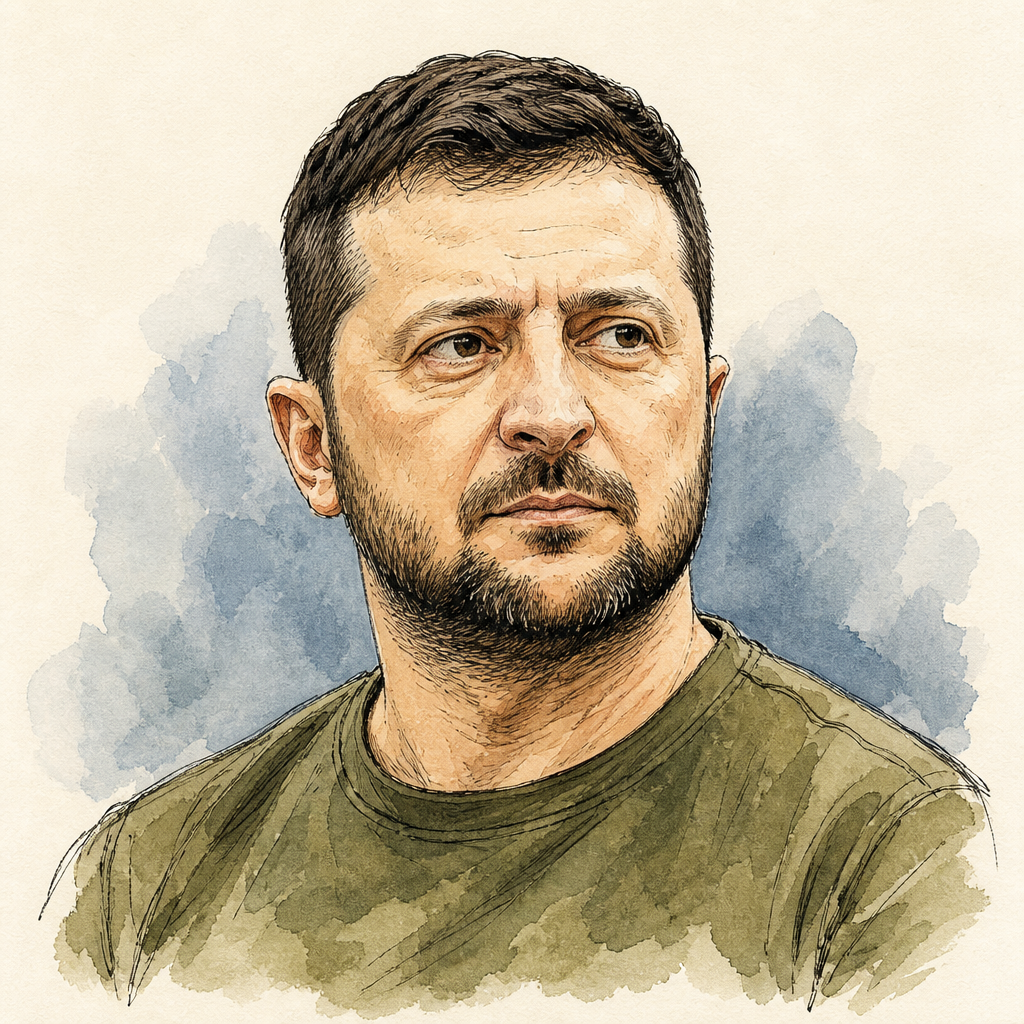
Why Ukraine is the hard version of this same question
Now hold all that against a country that has spent more than four years defending the right to have exactly these ordinary, noisy, accountable arguments at all.
Ukraine's fight was never only about borders. It is about whether a society gets to keep its parliament, its press, its protests, its inconvenient questions — or whether all of that gets replaced by the kind of silence Venezuelans know too well, enforced this time not by a tired strongman but by an occupying army.
The courage came early, well before most of the world was paying attention — in 2014, when Ukrainians stood in Maidan square rather than accept a government that turned its back on a European, democratic path. That early instinct, to notice the drift toward authoritarian habits and resist while resistance was still possible, is precisely the instinct this newspaper keeps asking its readers to practice at home, in smaller and quieter ways, long before tanks are involved.
The case for solidarity, stated plainly
Supporting Ukraine is sometimes framed as charity, sometimes as strategy. It is more useful to frame it as consistency. A world that lets accountability survive in Jerusalem, protest survive in Madrid and Paris, and courtrooms eventually catch up to a Maduro, but lets democracy be erased by force in Kyiv, is not really committed to the principle at all — only to its cheaper, safer applications.
That does not mean unlimited blank checks, or pretending war is costless, or ignoring fatigue in the democracies doing the supporting. Reciprocity matters here too: ask what kind of world you would want to live in if your own country's sovereignty were the one being tested, and support accordingly — steady, proportionate, sustained, not performative and not infinite.
So here is a small test for the reader, free of charge. Which image unsettles you more: citizens shouting at their own government and being heard, or citizens who no longer get to shout at all? Ukraine is fighting, at real cost, to stay in the first picture. That is worth more than a headline's worth of attention.