What a Life Built Slowly Sounds Like
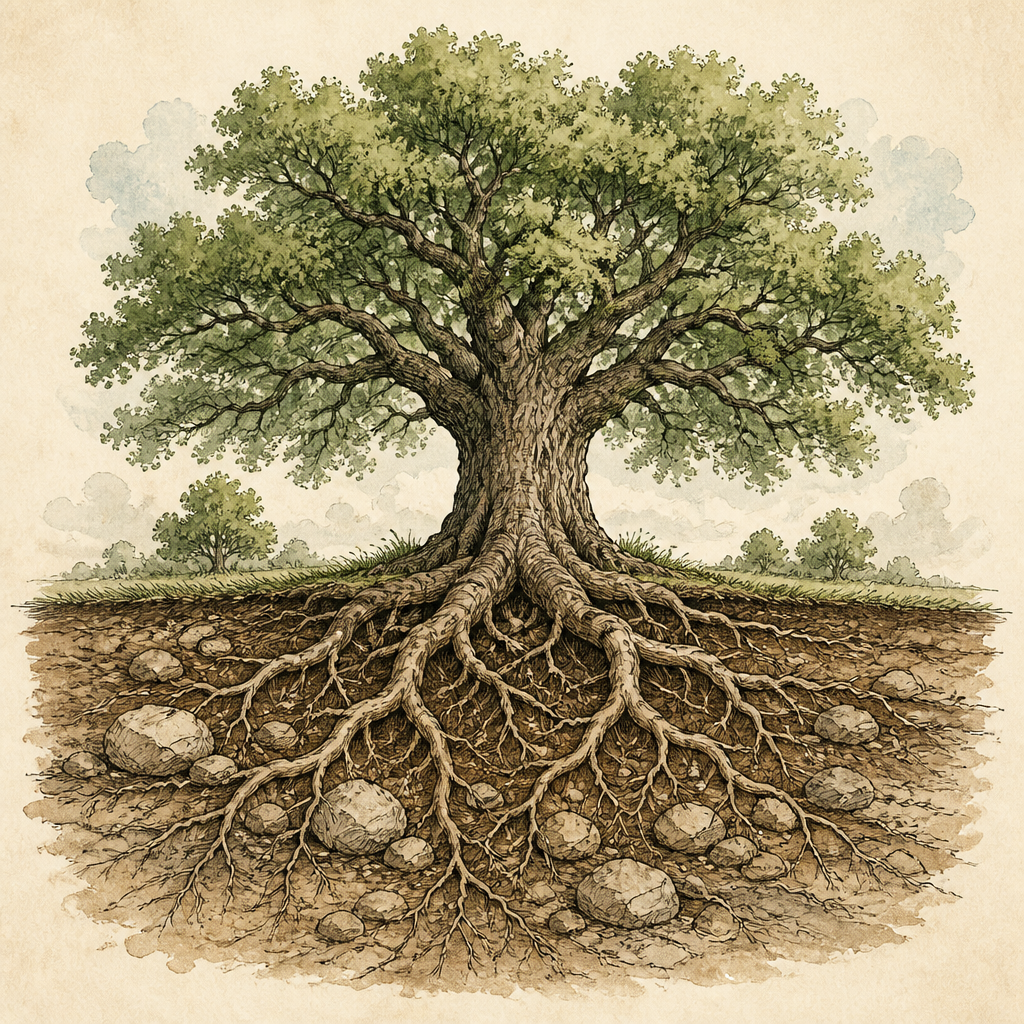
Somewhere in today's news cycle sits a small, quiet fact: a country is mourning a singer who spent sixty years doing the same patient thing — writing, touring, giving, showing up. Dolly Parton's legacy is being called "steely determination," and that phrase is worth pausing on. Steel is not made in an afternoon. Trust, the kind an audience gives a performer across generations, is not made in an afternoon either. It is made the way an oak is made: one ring at a time, mostly invisible, until one day you look up and there is shade.
Ask yourself why that story sits so comfortably next to the louder ones. Perhaps because we recognise, somewhere honest in us, that the things worth having are rarely the things that arrive fast.
What a Second Can Break
Contrast that with a lawmaker taking a sledgehammer to a Palestinian memorial. A memorial, whatever one thinks of its politics, is an attempt to grow roots — to fix a memory in stone so it outlives the argument of the week. It can be built over years. It can be broken in the time it takes to swing an arm.
The tariff fight between Canada and the United States belongs in the same lesson, at a larger scale. Decades of integrated trade, shared borders, shared hockey rinks and shared complaints about winter — a relationship with real roots — is now being tested by a policy fight measured in weeks. Fifty percent, dollar for dollar. Will the roots hold? Probably, because institutions this old rarely die of one season's frost. But the exercise should worry anyone who assumes long friendships are immune to short tempers. Roots buy you time. They do not buy you immunity.
The Door That Was Locked
Then there is the hospital fire in Pakistan's capital, fourteen newborns dead, witnesses saying a door was locked. An inquiry has been ordered, which is the right first step and also the smallest one. The harder question is not who locked the door on that particular night, but why a maternity ward anywhere could be a place where a locked door is even possible — no roots of inspection, no habit of accountability strong enough to have made that door impossible to lock in the first place.
This is what "institution" actually means, stripped of its dry sound: a habit so deeply grown that it survives the tired night-shift worker, the budget cut, the manager who wants to save five minutes. Where that habit has no roots, tragedy does not need a villain. It only needs a door.
Nine Years Without a Root
And then a crueller kind of root: nine years since Rohingya families fled, and "forget about going back" is now the working forecast. This is what happens when a wrong is left standing long enough — it too grows roots, the roots of a camp becoming a permanent address, of childhoods spent stateless. Patience is a virtue when it is building trust. It is a scandal when it is merely the world's way of not deciding.
So the oak is not automatically good. An unaddressed injustice, given nine years, grows just as stubbornly as a good institution given sixty. The measure is not age. It is what the years were spent doing.
Patience as a Civic Muscle
Here, then, is the standpoint, not just the wink: build the slow things on purpose, and defend them on purpose, because nothing else survives a bad week. A trade relationship needs institutions sturdy enough to outlast a tariff spat. A hospital needs habits sturdy enough to outlast a tired shift. A displaced people needs a solution sturdy enough that nine years does not quietly become fifteen.
And when you see someone with a sledgehammer — literal or fiscal or political — ask the Socratic question plainly: are they destroying something that deserved sixty years to grow? If the answer is yes, that is worth noticing before the swing, not after.