What takes a century, and what takes a phone call
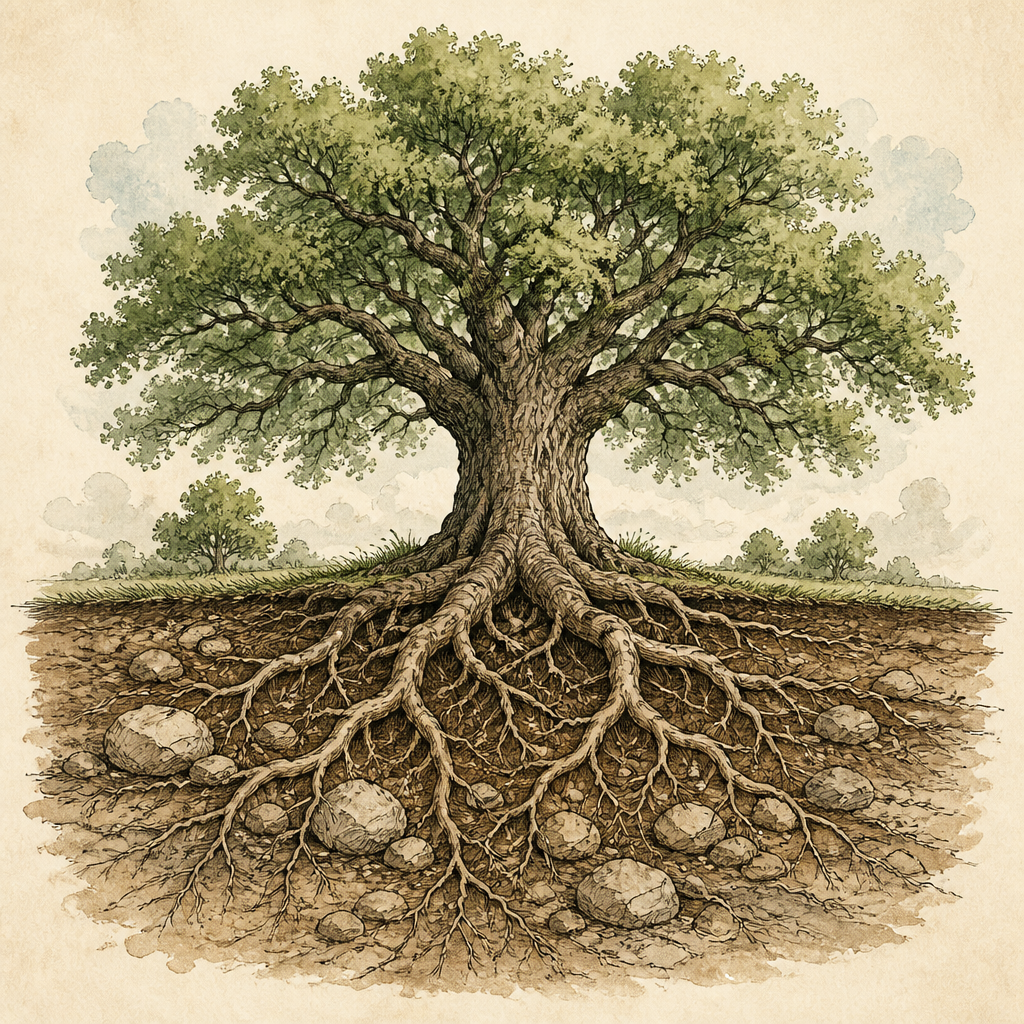
Somewhere in Liberia this week, families sat down to a Thanksgiving dinner that traces its roots back more than a century and a half, to freed Americans who carried the holiday with them and let it take root in new soil. It became something else along the way — not a copy, a transplant that grew its own bark. That is what an institution looks like when it works: it travels, it adapts, it outlives the people who planted it.
Compare that to a different kind of journey this week. A Sri Lankan asylum seeker, sent by the United Kingdom to Eswatini under a third-country removal arrangement, took his own life after arriving. No oak was planted there. No decades of case law, no settled community, no functioning asylum tradition to receive him — just a flight, a signature, and a country used as a pressure valve for someone else's political headache. The difference between Liberia's Thanksgiving and Eswatini's deportation flight is the difference between something rooted and something merely planted.
Weeds grow fast too
It would be too easy to say that speed is always the villain here. The smuggling networks moving boats across the Channel — the BBC's investigation into a German dealer allegedly supplying gangs is a reminder — are themselves extremely efficient. No parliament debates their business model. No committee reviews their safety standards. They move fast precisely because they owe nothing to anyone and plan for nothing beyond this season's crossings.
So here is the uncomfortable symmetry: both the smuggler's speedboat and the deportation flight to Eswatini are quick fixes. One serves criminal profit, the other serves a political news cycle that needs to show "action" before the next headline. Neither builds anything that will still be standing in ten years. A democracy that matches the smuggler's speed with removal flights instead of matching the oak's patience — courts, prosecutions, treaties enforced over years — has simply chosen a faster weed to compete with the first one.
Trust is also a root system
Consider, too, the diplomat seeking a senior UN role this week, trying to put daylight between her current candidacy and her record overseeing relations with Sudan during a period of serious allegations. "I'm no longer a UAE official," she says, as if institutional trust were a coat you could simply take off at the door.
But trust in international institutions is itself an oak, not a costume. The UN's credibility was not built in a season; it was built, slowly and imperfectly, across eight decades of mandates, failures, corrections, and the occasional moment when it actually stopped a war or fed a famine. Every time a candidate expects the public to forget a recent, relevant record because a new title has been offered, the root system is asked to carry weight it was never fed to support. Ask plainly: would you trust a bank manager who said "I'm no longer the person who approved those loans"? Then why accept it from a UN hopeful?
What patience actually buys
And yet patience is not merely a moral posture — it produces. The cheaper HIV prevention jab now reaching millions across Africa did not arrive by press release. It is the fruit of decades of unglamorous trial design, funding fights, and regulatory grinding that rarely made headlines at all. That is what long roots are for: they produce the fruit nobody photographs during the planting.
The standpoint
So here is a clear stance, not just a wink: democracies should stop treating patience as a political liability. Third-country deportation deals that bypass real asylum systems, personnel appointments that ask institutions to look away from recent records, enforcement theatre that chases headlines instead of smuggling networks' financing — these are all the same mistake wearing different suits. They trade the oak for the weed because the weed photographs faster.
The harder, duller work — prosecuting supply chains across borders, building asylum systems in the countries that actually receive people, vetting leadership by what happened last year rather than what title is offered this year — rarely trends. But it is the only kind of work that is still standing when the next news cycle, and the one after that, has long since blown away.