A strip of cloth older than most nations
This week a very old piece of embroidery is drawing crowds in London. The Bayeux Tapestry, stitched not long after 1066, is touring, and re-enactors are already sharpening their shields for Hastings. Nobody remembers the names of most men who commissioned battles that year. The thread remembers.
That is the quiet joke buried in the headlines of a single Sunday: kings fall, empires rearrange themselves, and a piece of cloth keeps its appointment with the public nine and a half centuries later. Ask yourself which of today's urgent controversies will be stitched into anything at all.
The patient worker gets a medal
Elsewhere this week, Navi Pillay, a judge who has spent decades inside the slow machinery of international law, won the Nobel Peace Prize. Nobody gives a Nobel for a tweet. You get one for showing up to the tribunal for thirty years, writing the dull opinion, building the precedent that someone else will cite after you are gone.
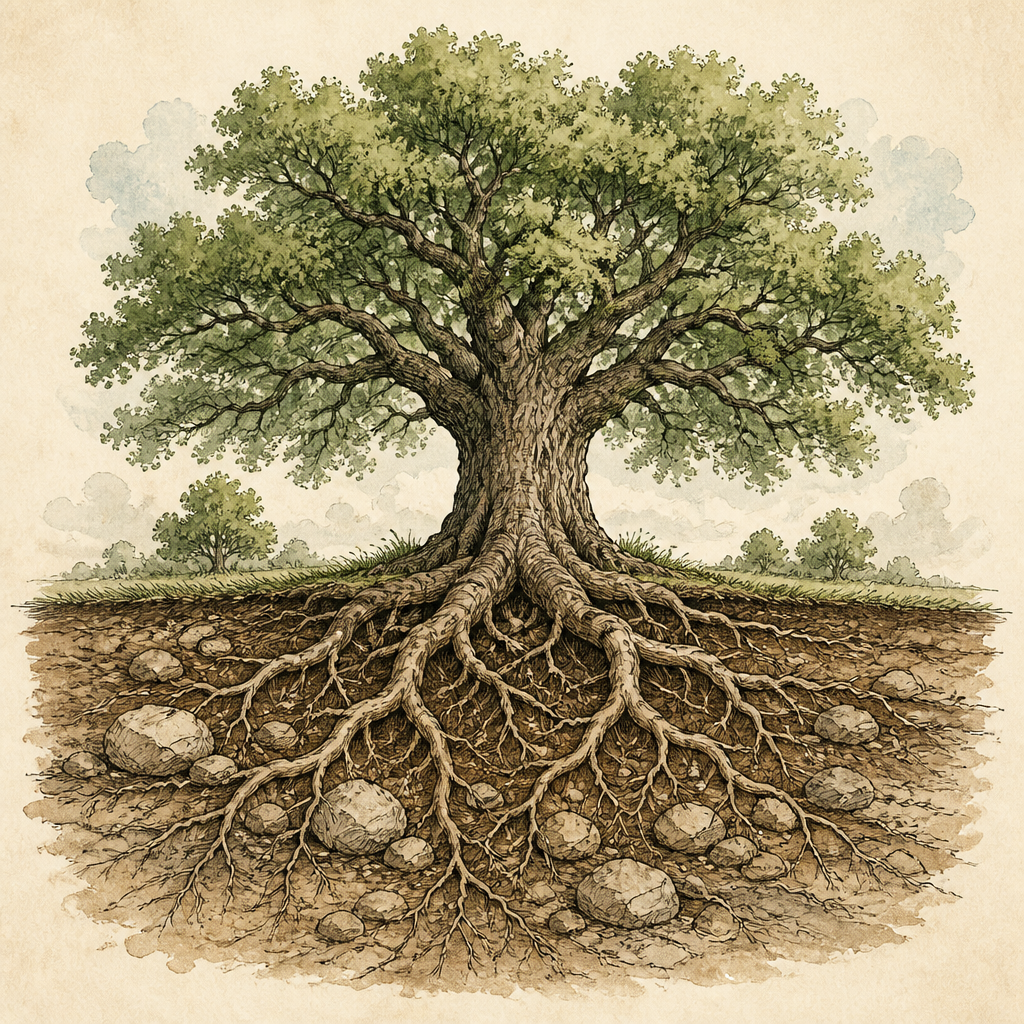
International law is unglamorous work. It rarely trends. It is, in the truest sense, a root system — invisible, slow, and the reason the tree does not blow over in the first serious storm. Pillay's prize is a vote, however small, for patience over spectacle. It is worth noticing that the committee chose her in a year when spectacle had plenty of competition.
Who is pulling at the roots
Contrast that with three other items in today's conversation. In India, the world's largest democracy, protesters have filled the capital's streets over revisions to the voter rolls — the unglamorous list that decides who gets to be counted as a citizen with a say. In the United States, the Justice Department is reportedly examining how television networks covered press access to the president, a question that edges uncomfortably close to deciding who gets to ask questions at all. In Egypt, journalists are planning a protest this weekend over six colleagues held in detention — six people whose job was simply to write down what happened.
None of these are oak trees falling overnight. That is exactly the point. Voter rolls, press pools, and reporters in custody are the root hairs of a democracy — unseen, unglamorous, and the first thing an impatient hand reaches for when it wants to reshape a system without the bother of elections or courts.
Is every review of a voter roll an attack on democracy? No — rolls do need maintenance, the way any living root system needs pruning. The question worth asking is not whether institutions should ever be touched, but who is doing the touching, how transparently, and whether the people affected can see and contest it. A gardener prunes in daylight, with tools anyone can inspect. Someone hoping the tree falls prefers to work at night.
What actually lasts
It is tempting to measure a government, or a press, or a judiciary by this week's headline. But headlines are leaves — they turn colour, they fall, new ones grow. What determines whether the tree survives the next storm is the root: the independence of courts, the reliability of electoral rolls, the freedom of journalists to annoy the people in power without being jailed for it.
The wise position here is not cynicism about any single week's news, nor blind faith that institutions are self-repairing. It is this: judge every government action, in India, in Washington, in Cairo, by a simple test — does it water the root, or does it quietly sever it while promising the leaves will look fine this season?
The tapestry survived because enough people, across nine centuries, chose to keep it rather than burn it for warmth on a cold night. Institutions survive the same way: one unglamorous, unheadlined choice at a time, made by people who understood that the oak they were tending was never really for themselves.