The speed of outrage
An 87-year-old woman is carried out of her flat in Spain. Within days, protests fill the street, and the government announces a ban on evictions. Somewhere else, a summit is convened with a name that sounds like a superhero film — Super Intelligence — and three takeaways are dutifully filed by the world's press. Meanwhile, a report surfaces that a Chinese AI tool answered questions about bioweapons when researchers asked it to.
Three stories, three speeds. All of them real. None of them, on their own, tell you what will still be standing in ten years.
Saplings are easy to plant
A law passed after one viral eviction is a sapling. It is a good sapling — protecting an old woman from the street is not a controversial idea, whatever your politics. But a sapling planted in the heat of public anger needs something the anger itself cannot supply: housing courts that function on ordinary Tuesdays, building programs that add supply so landlords are not simply squeezed until they stop renting, and enforcement that survives the news cycle that birthed it.
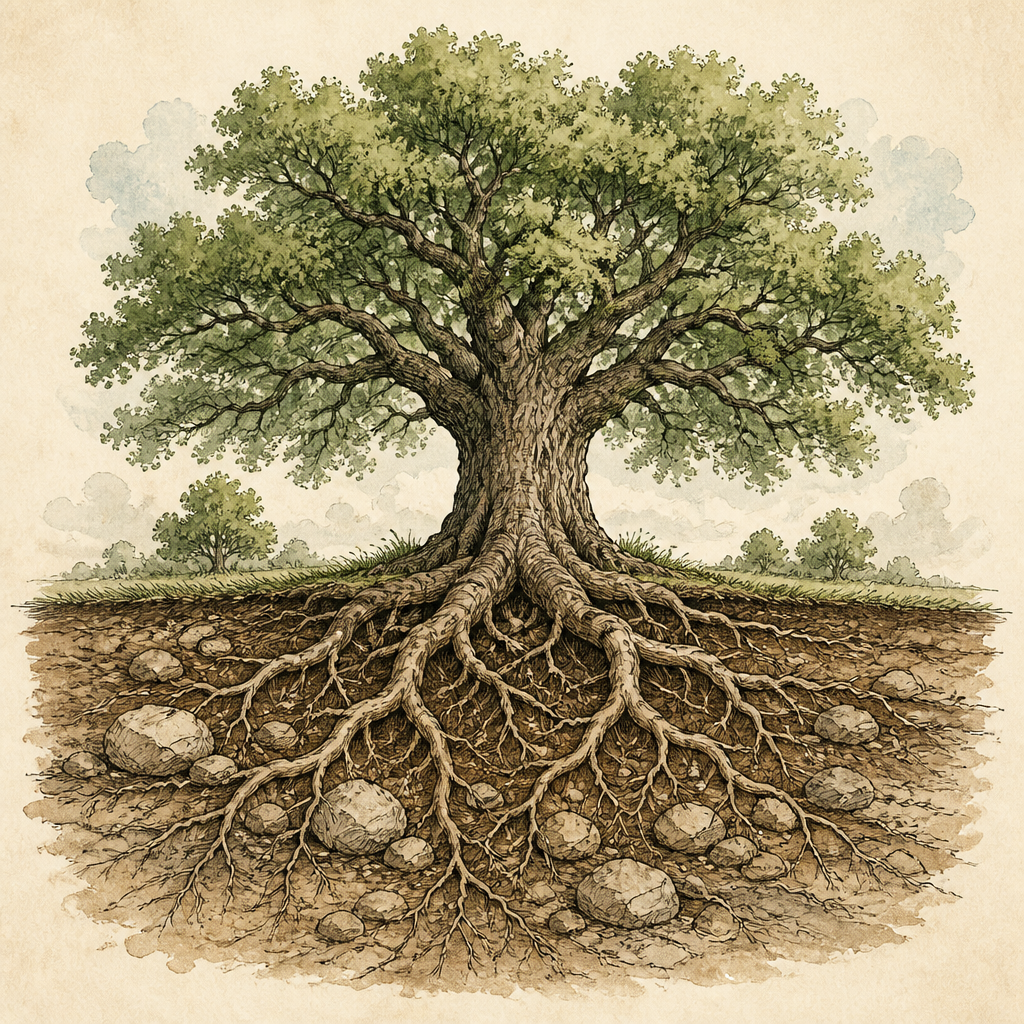
Ask the plain question: will Spain's ban still be defended in five years, when the cameras have moved on and the next viral eviction hasn't happened yet? An oak needs decades of quiet, boring maintenance — inspectors, judges, budgets — long after the protest that planted it is forgotten. A policy that only lives in headlines dies the moment the headline changes.
Summits are theatre; safety is carpentry
Now consider the other pairing. A summit branded Super Intelligence produces takeaways, quotes, photographs of important people at a podium. It is theatre, and theatre has its uses — it can focus attention, gather funding, signal priorities. But theatre is not the same thing as the slow carpentry of safety: the biosafety review boards, the export controls on gene-synthesis, the international verification regimes that took generations to build around nuclear material and now barely exist for synthetic biology guided by a chatbot.
A tool that answers questions about bioweapons was not created by a summit's absence. It was created by the gap between how fast a model can be trained and how slowly a society builds the guardrails an oak needs — the treaties, the licensing, the shared norms among labs and nations that make dangerous knowledge harder to weaponise, not because it is hidden, but because using it carries real, checked, enforced cost.
Whoever calls their gathering "Super Intelligence" is, whether they intend it or not, selling speed. The corrective a citizen should ask for is not less ambition but more root: which of these announcements will still be doing quiet, unglamorous work in 2036, and which will have been superseded by the next branded summit before the ink dries?
Weighing the two instincts
There is a case for the sapling. Waiting for perfect institutions before acting on an 87-year-old woman's eviction is its own kind of cruelty — sometimes you plant fast because the frost is coming tonight. Reactive law, done honestly, buys time for the oak to grow. That is not naive; it is triage.
But triage that never becomes cultivation is theatre of its own kind — a government that bans evictions by press release and never funds the courts to enforce it has planted nothing, only announced a planting. The same applies to AI: a summit that produces takeaways but no binding review process is a ribbon-cutting for a building that was never poured.
What the reader can actually do
You cannot attend the summit, or sit on the housing court. But you can ask, of every headline you meet, the oak's own question: not "was this decisive?" but "will this still be doing its job when nobody is watching?" Trust, in a democracy, is built exactly like a tree — invisibly, underground, for years, before anyone notices the shade.
The news cycle rewards the plant. Citizenship rewards the root.