A seat, not a spectator pass
Europe is joining Ukraine talks in Abu Dhabi this week, and Moscow objects. Objects to what, exactly? To the idea that a war fought on European soil might be negotiated with Europeans present. It is a small thing to notice, and worth noticing anyway: the Kremlin's objection is itself a kind of compliment to trans-Atlantic unity. Authoritarian habits prefer one-on-one rooms, where the stronger party can lean on the weaker. Democracies, at their best, prefer tables with more chairs.
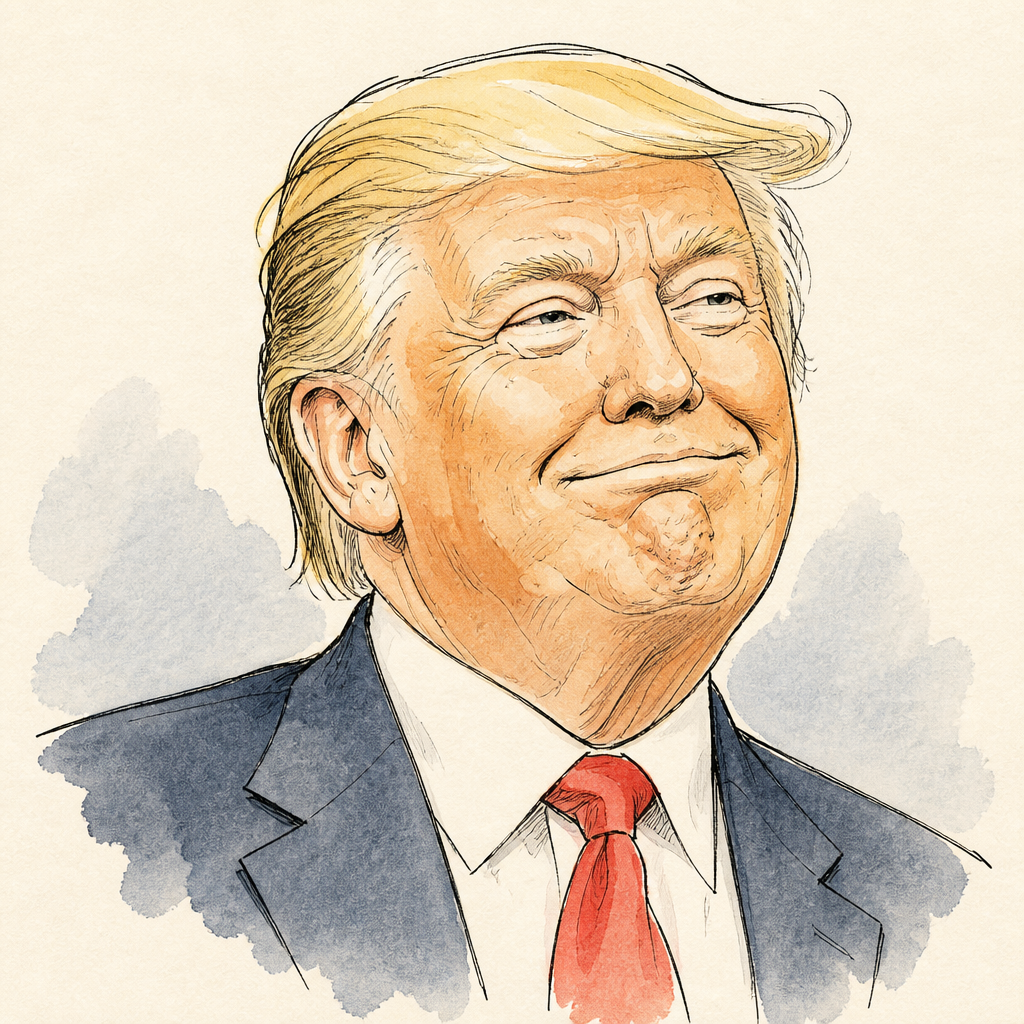
The talks are described as U.S.-brokered. Fair enough — Washington convened them. But brokered by whom, precisely? A government, with a State Department and allies to answer to, or a single man who likes to put his name on buildings and, lately, on diplomacy? The question is not rhetorical cruelty. It is the honest question any citizen of a democracy should ask about any deal struck in their name: does this outcome belong to an institution that will still exist in four years, or to one person's mood that week?
The gloomy virtue of messy democracies
Contrast this with New Zealand, where an election produced no clear winner and the mood, by every account, was flat and tired. Kiwi voters sound unimpressed with their choices. Good. Tired, unglamorous elections that end in weeks of coalition talks are not a failure of democracy; they are democracy declining to hand anyone a crown. Compare that to the tidy efficiency promised by strongmen everywhere, who solve messiness by removing the mess-makers — voters, parliaments, journalists — rather than by patiently negotiating with them.
South Africa offers the same lesson from the other direction. The ANC, after three decades in power, now faces what looks like a real local-election defeat. No tanks, no emergency decree, no postponed vote — just ballots counted, and a party that must now reckon with its own record. That is the system working exactly as it should: boring, slow, accountable. It should be celebrated precisely because it is boring.
Why the personality question matters
None of this is an argument against American leadership. A superpower that convenes talks, pressures a nuclear-armed aggressor to the table, and lets its allies in the room is doing something genuinely useful — more useful than standing aside. The argument here is narrower and more durable: judge the deal by its architecture, not its architect's charisma.
Does the agreement bind the United States as a country, through Congress, treaty, or durable policy — or does it bind only a mood, reversible the moment attention or affection shifts? Does it include the Europeans who will live next to Russia long after any American administration has changed? Does it treat Ukraine as a party with a voice, or as a prize to be divided by others?
A citizen does not have to love or hate Donald Trump to ask these questions. He has to be a citizen. The golden rule applies to diplomacy too: a deal imposed on Ukraine that its own leaders would not accept for their own country, done to spare someone else an uncomfortable headline, is not peace — it is postponement with better lighting.
The quiet stance
So: welcome the Abu Dhabi talks, and welcome louder the fact that Europe insisted on attending them. Distrust any account of the process that reduces a coalition of democracies to one man's dealmaking brand — not out of spite, but because institutions outlive moods, and peace that depends on a single temperament is not peace a free people should rest on.
And spare a thought, while the cameras are on Abu Dhabi, for Wellington and Johannesburg, where democracy is doing its least photogenic and most essential work: counting, waiting, negotiating, without anyone needing to be the hero of the story. That dullness is the whole point. It is also, not incidentally, the hardest thing for any strongman to fake.