Older articles
Earlier pieces, beyond today’s front list.
Of All the Strongmen, One Keeps Me Awake
While emerging powers gather in India and pipelines and rails go quiet under suspicious circumstances, it is worth saying plainly which autocrat's proven capability worries a free world most.
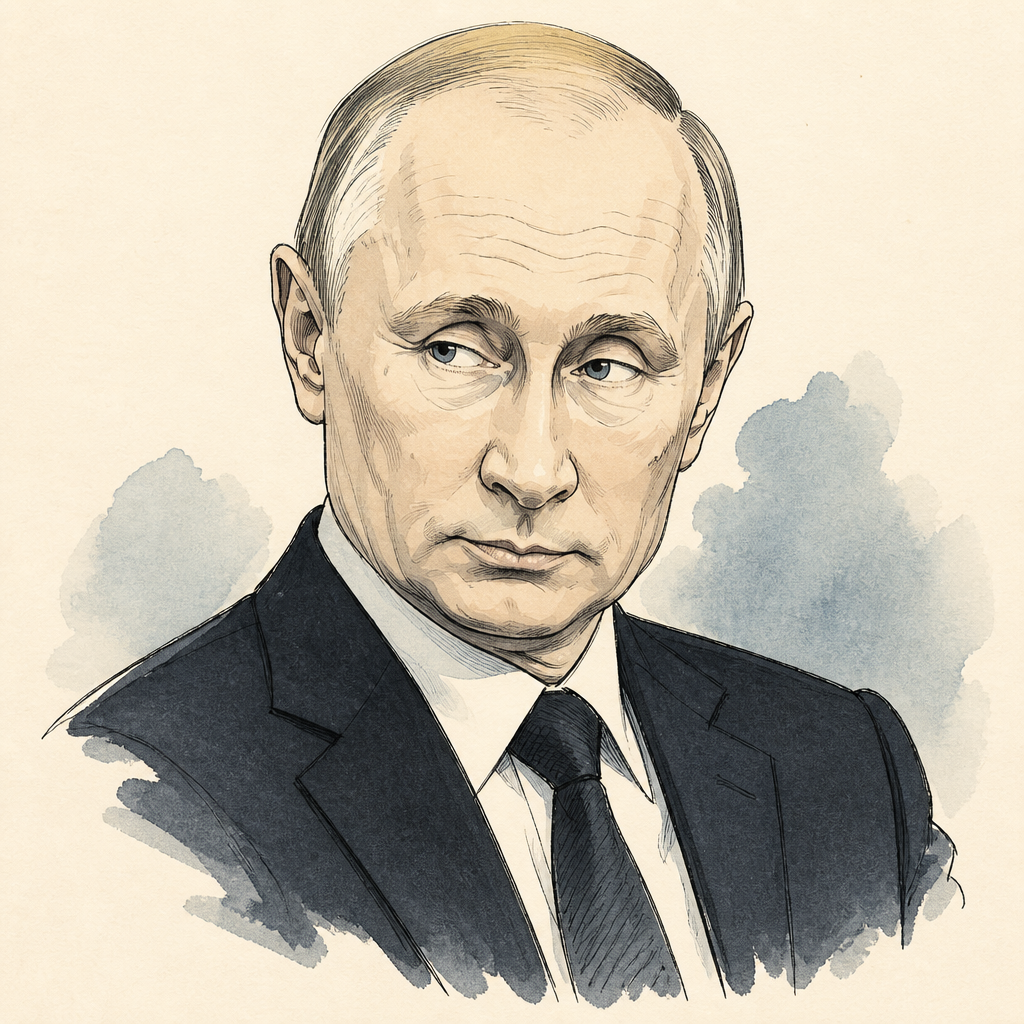
A Fantastic Idea, From a Man Just Passing Through
When a visiting president hands out verdicts on other nations' unity as if judging a talent show, it is worth asking who actually gets to vote.
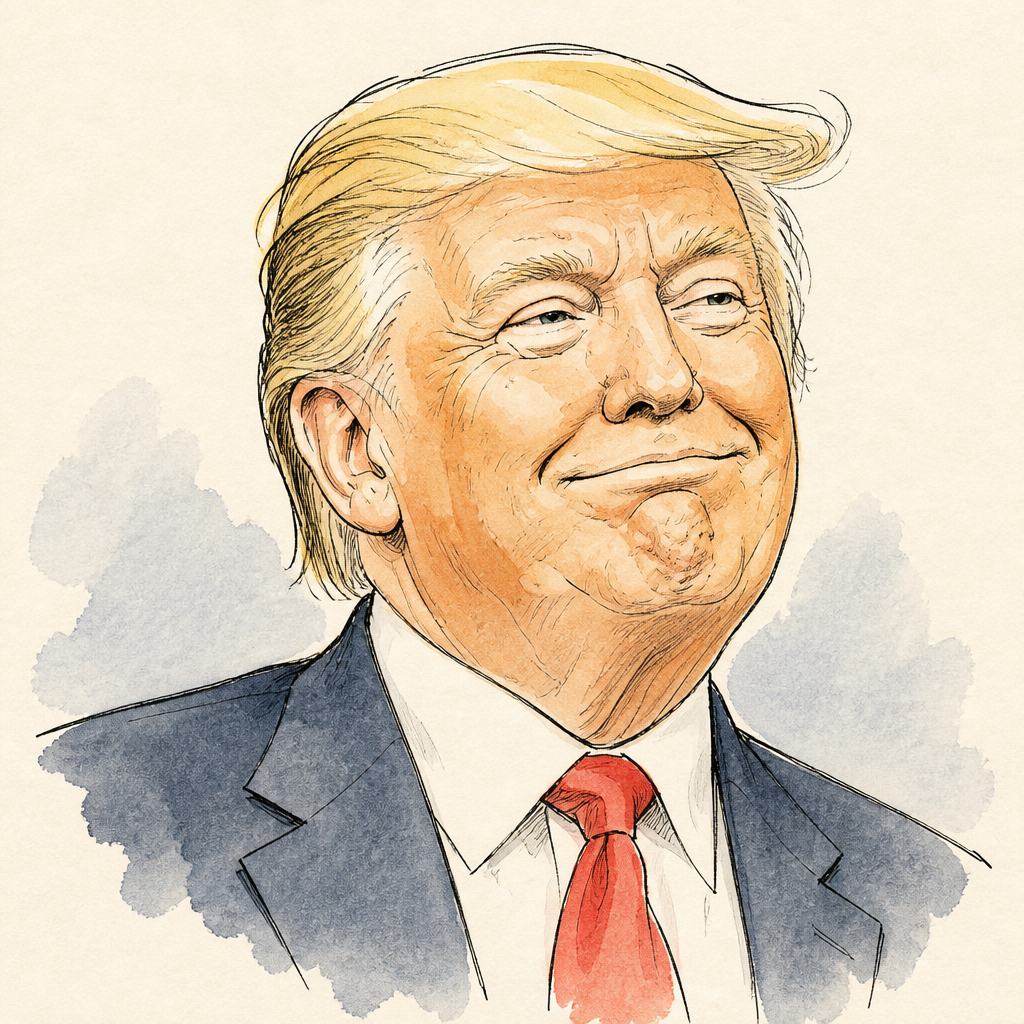
Good Fences, Better Courts: What Neighbours Owe Each Other
Between a strained supply chain in North America, a seized strait in the Red Sea, and a crushed candlelight vigil in Hong Kong, today's news quietly asks what actually makes two peoples neighbours — and the answer is not a map.
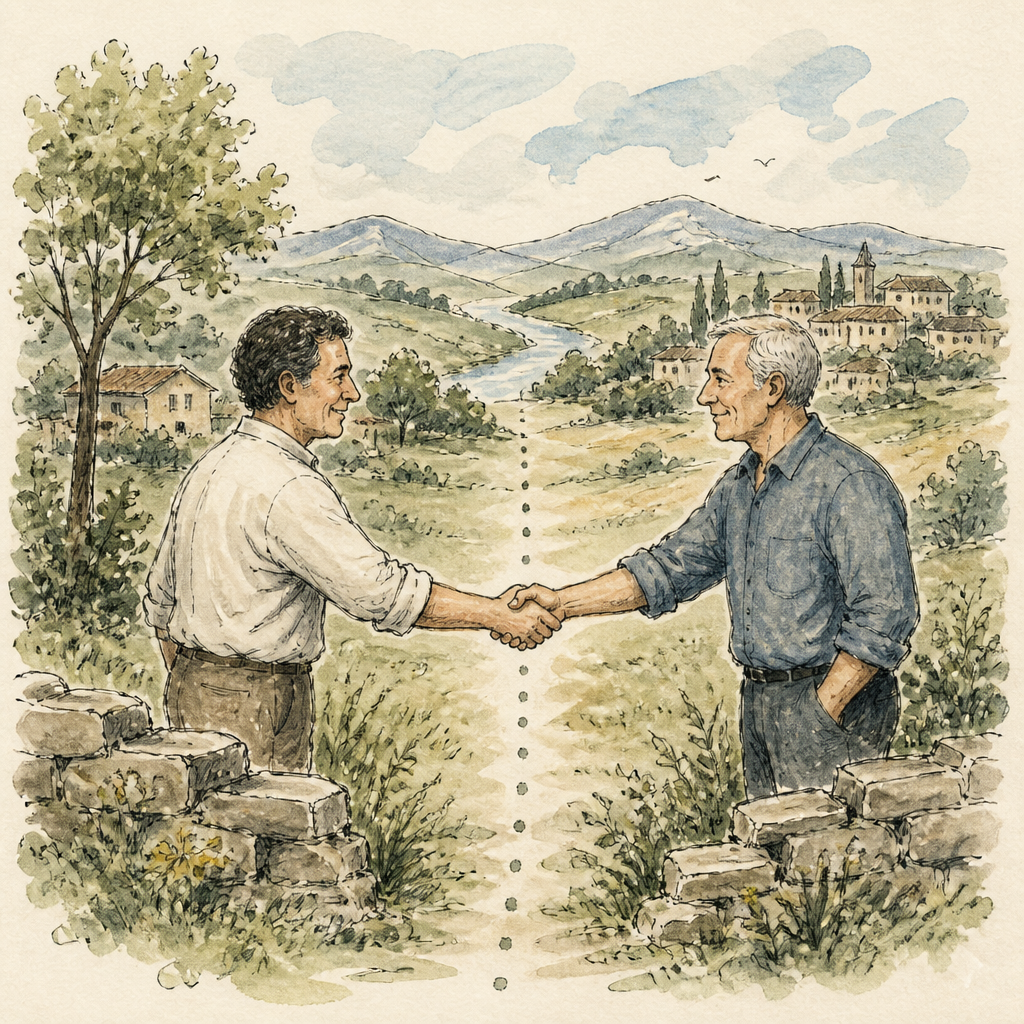
Article Five and the Price of a Fender
A defence pact that promises to die for you is worth more than one that merely postures — which is why the small squabbles between allies deserve more patience than the loud ones between rivals.
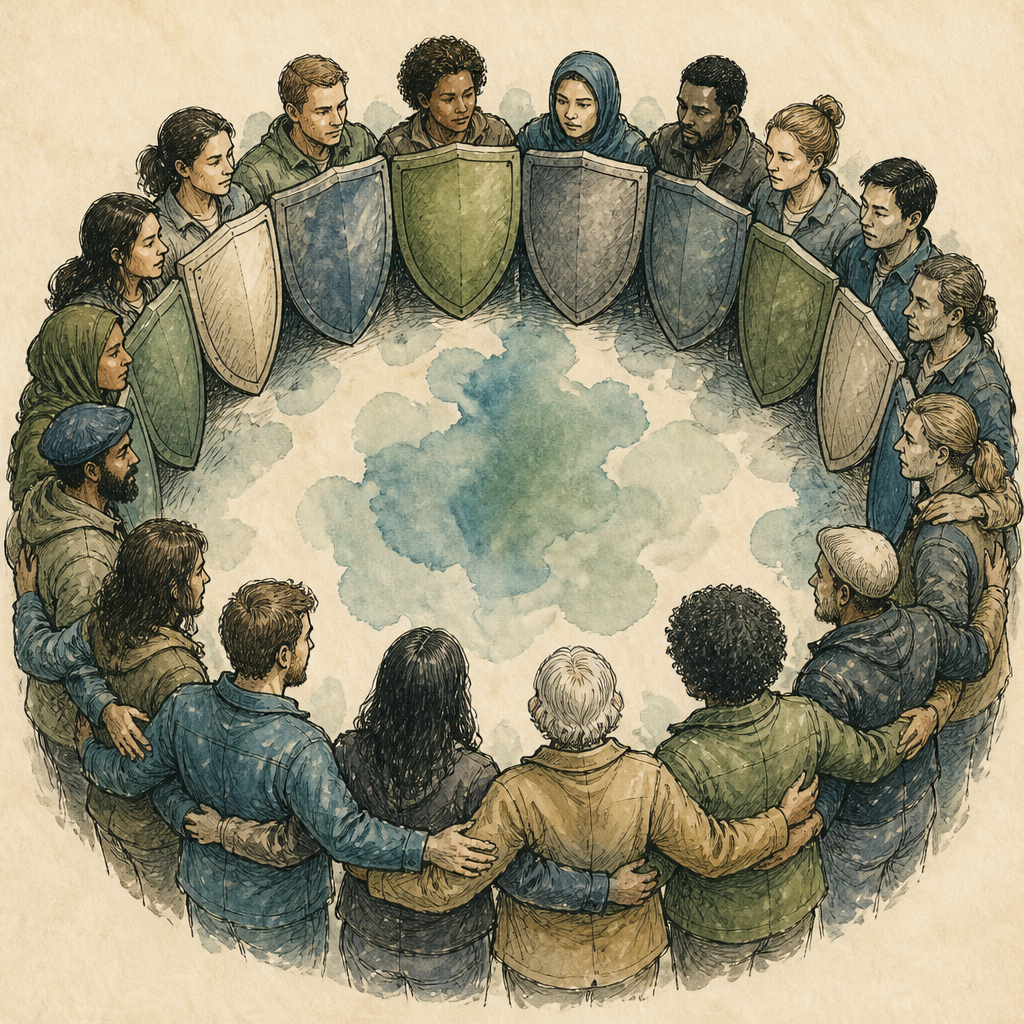
The Check Is in the Mail, Your Majesty
On a day when one leader offers to mail you money and a kingdom withdraws from a games out of respect, it is worth asking what generosity is actually buying.

The Five-Thousand-Dollar Question
When a leader offers you a check, a war with an end date, and a hidden enemy all in the same week, common sense suggests asking who benefits from your certainty.
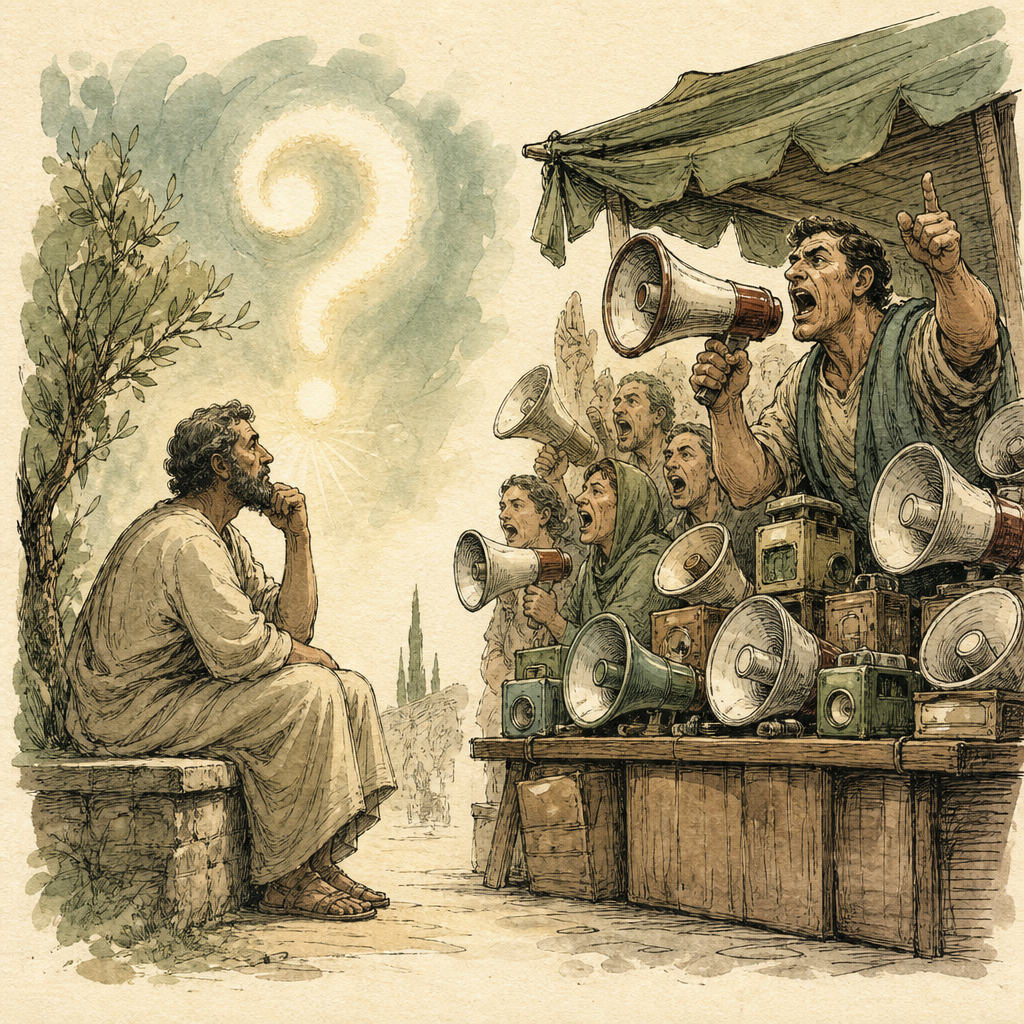
Out of Respect, Out of the Rulebook
A wheelchair race in Birmingham and a barrel of oil in the Gulf are teaching the same lesson this week: shared rules only work if everyone stays on the field.

The Certainty Merchants and Their Small Mirrors
From a stormy debate in Berlin to a map draped in stars and stripes, the week offers three cracked mirrors in which strongman certainty tries, and fails, to see itself as strength.
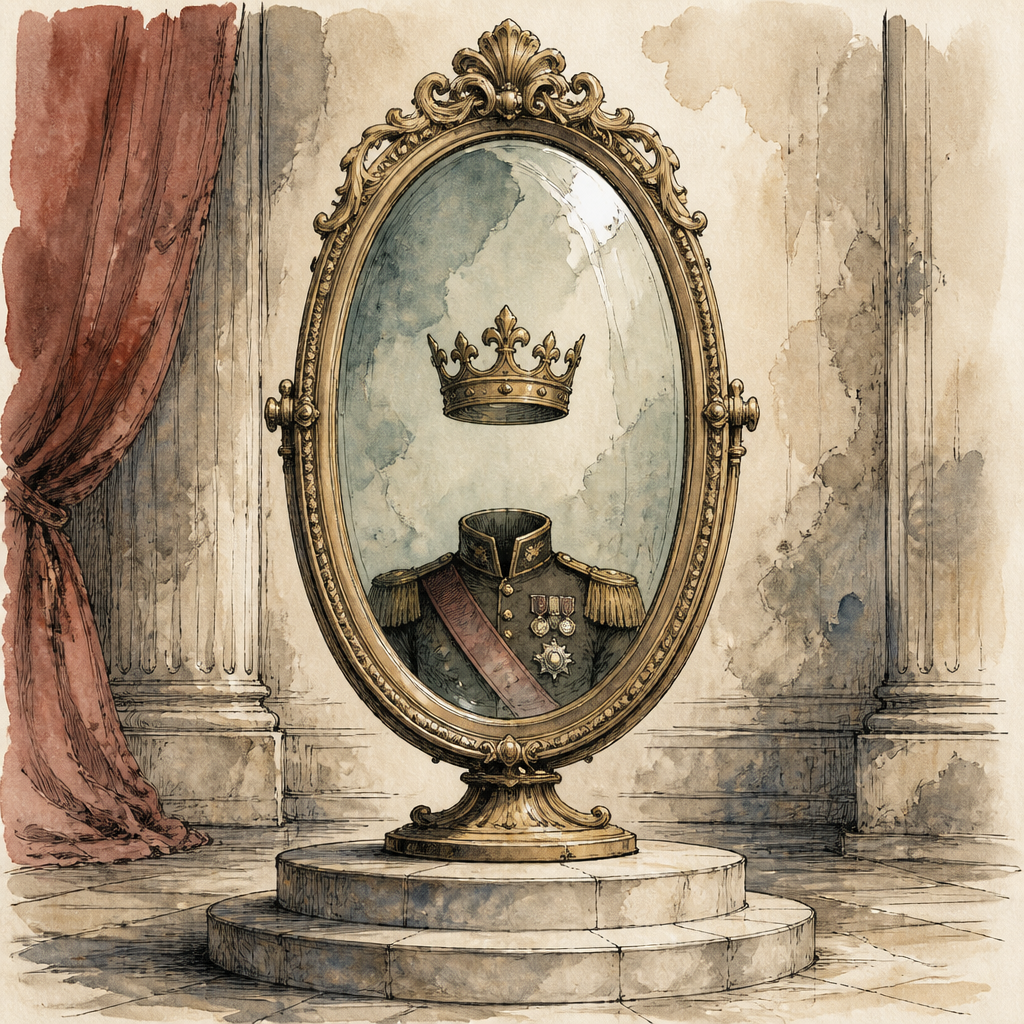
Two Hundred and Eleven Members, One Voice
FIFA likes to boast that it has more member nations than the United Nations — which raises the modest question of what, exactly, all those members are for.
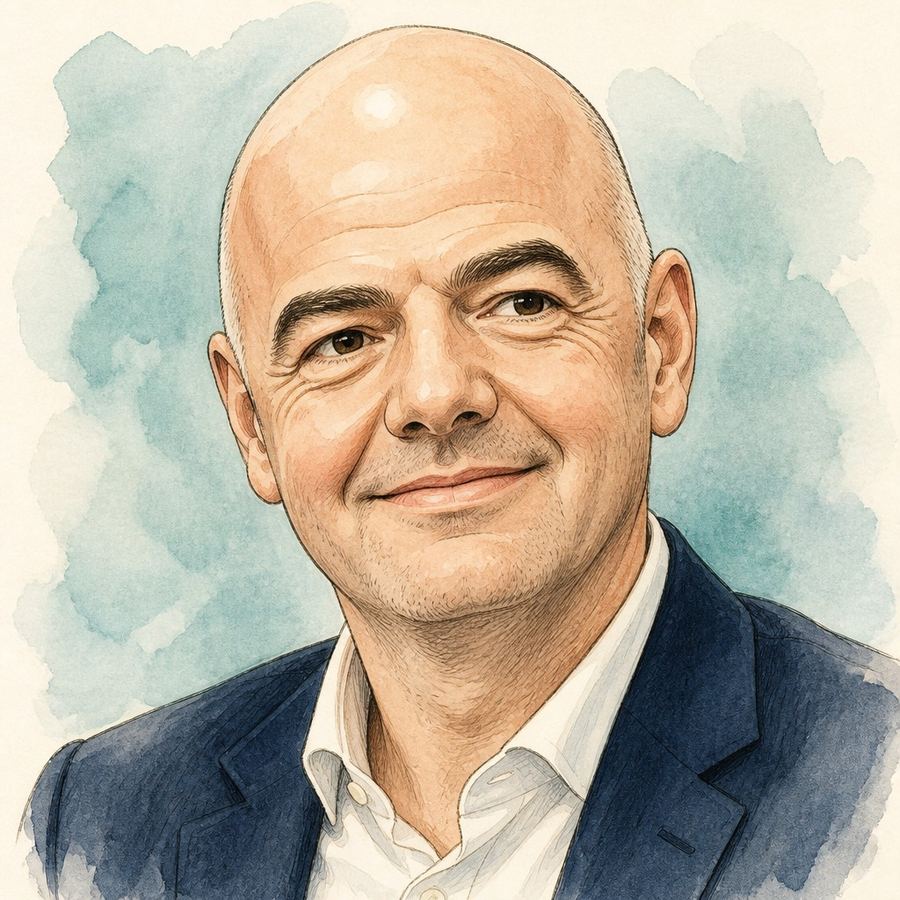
The Million-Dollar Raise and the Empty Nets of Yemen
Before we call anyone lazy, it is worth asking who built the door they cannot walk through.
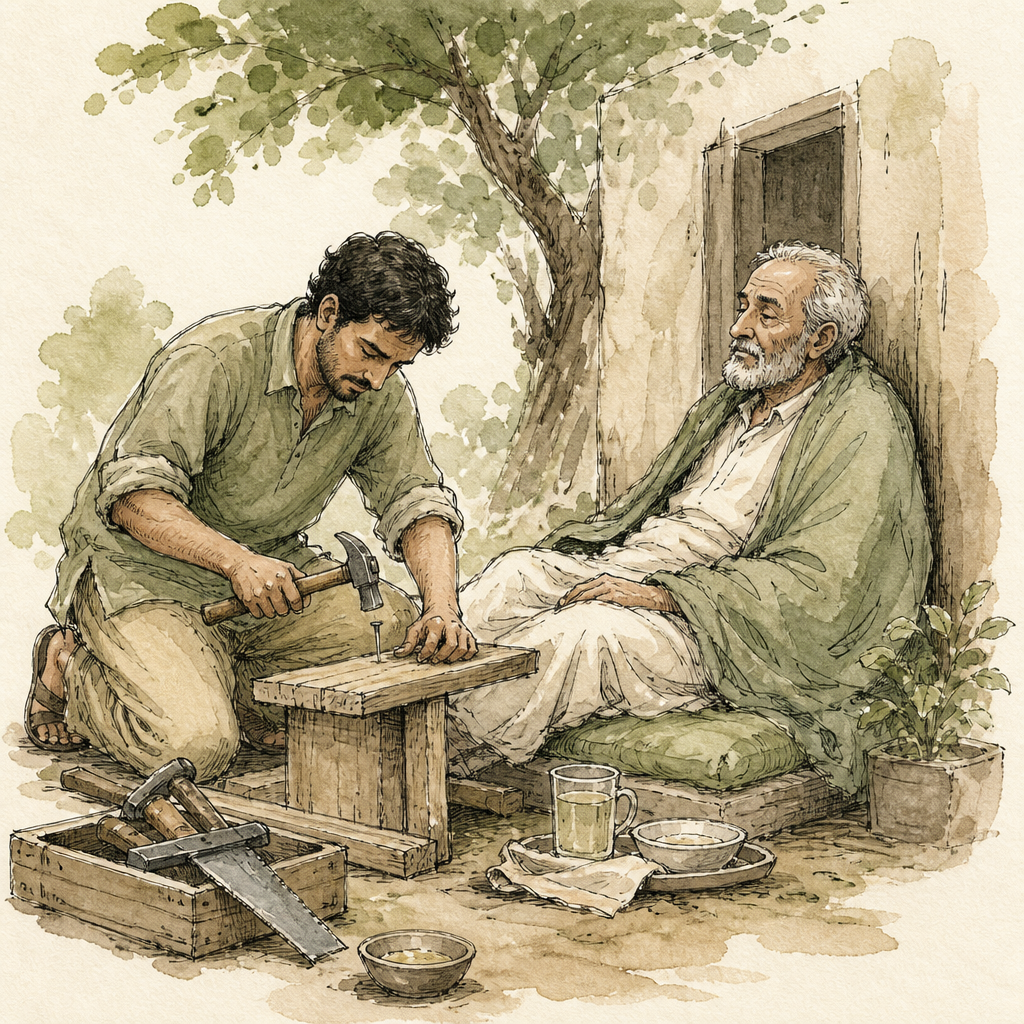
The Tower That Asked Women to Step Aside
When a Paris landmark reportedly moved female staff to accommodate a religious visit, it tested a freedom that only works if it runs in both directions.
The Comma in Article Five
Kyiv reads Europe's mutual-defence clause from the outside while a party inside Europe asks to be read back into government — both raise the same quiet question: does anyone still mean the promise?
What Grows Slowly, Falls Slowly Too
From a corrected map to an uncorrected massacre, from ballots in Saxony to a ceasefire that keeps not arriving — a look at what actually takes root, and what only blooms for a news cycle.
A Bigger Africa, A Smaller Excuse
A corrected map, a 66-year-old massacre still unpaid, and a border dispute nobody wants to own — three small tests of whether the world sets one table or many.
A Bigger Map Does Not Pay a Bigger Wage
On the day the UN redraws Africa to its true size, an editorial about what actually restores dignity — not the shape of the map, but the shape of the opportunity.
A Shield Has Only So Many Arms
When a democracy strikes tankers in the Gulf and sends peace envoys to Moscow in the same week, it is worth asking whether its shield is being carried, or merely waved.
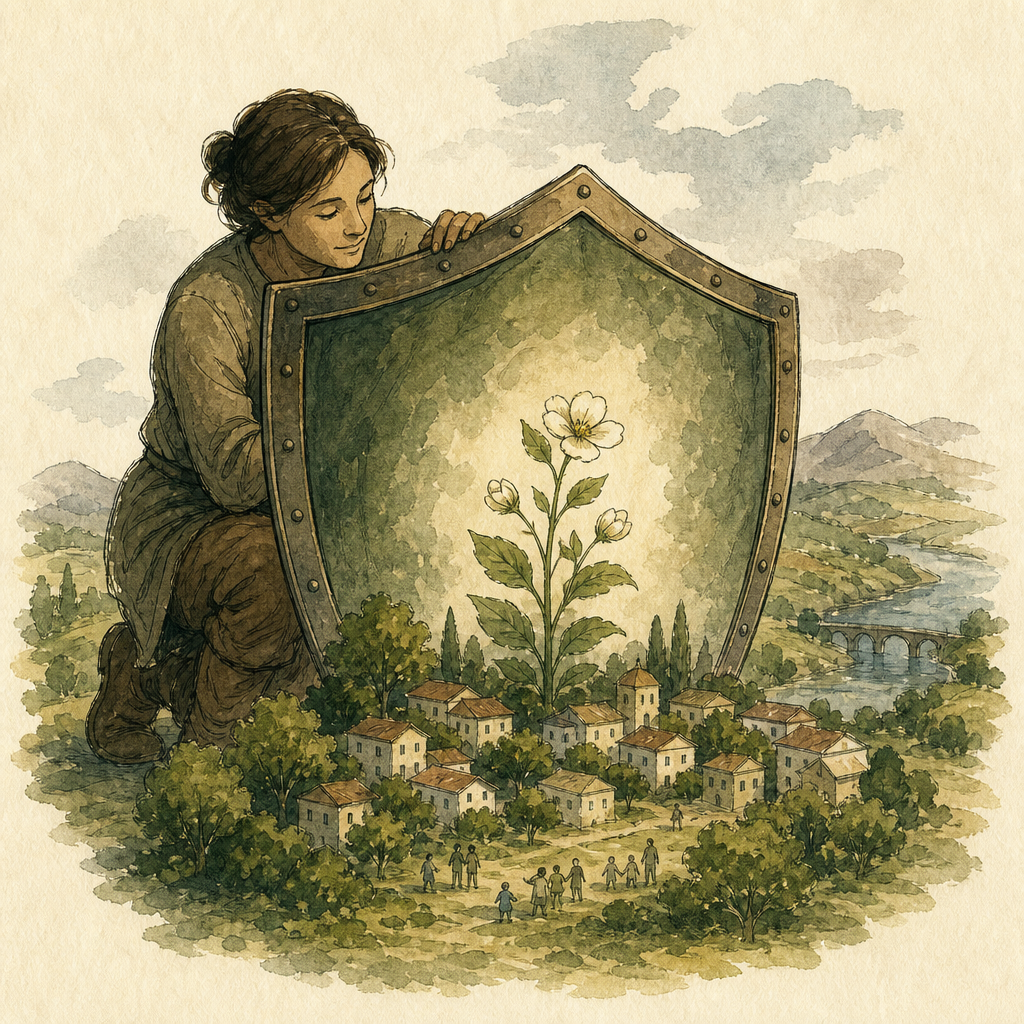
Counting Heads in Saxony, While a Map Learns Its True Size
On a Saturday when Germany braces for a state election and the world redraws Africa to scale, a small case for democracy as arithmetic rather than theater.
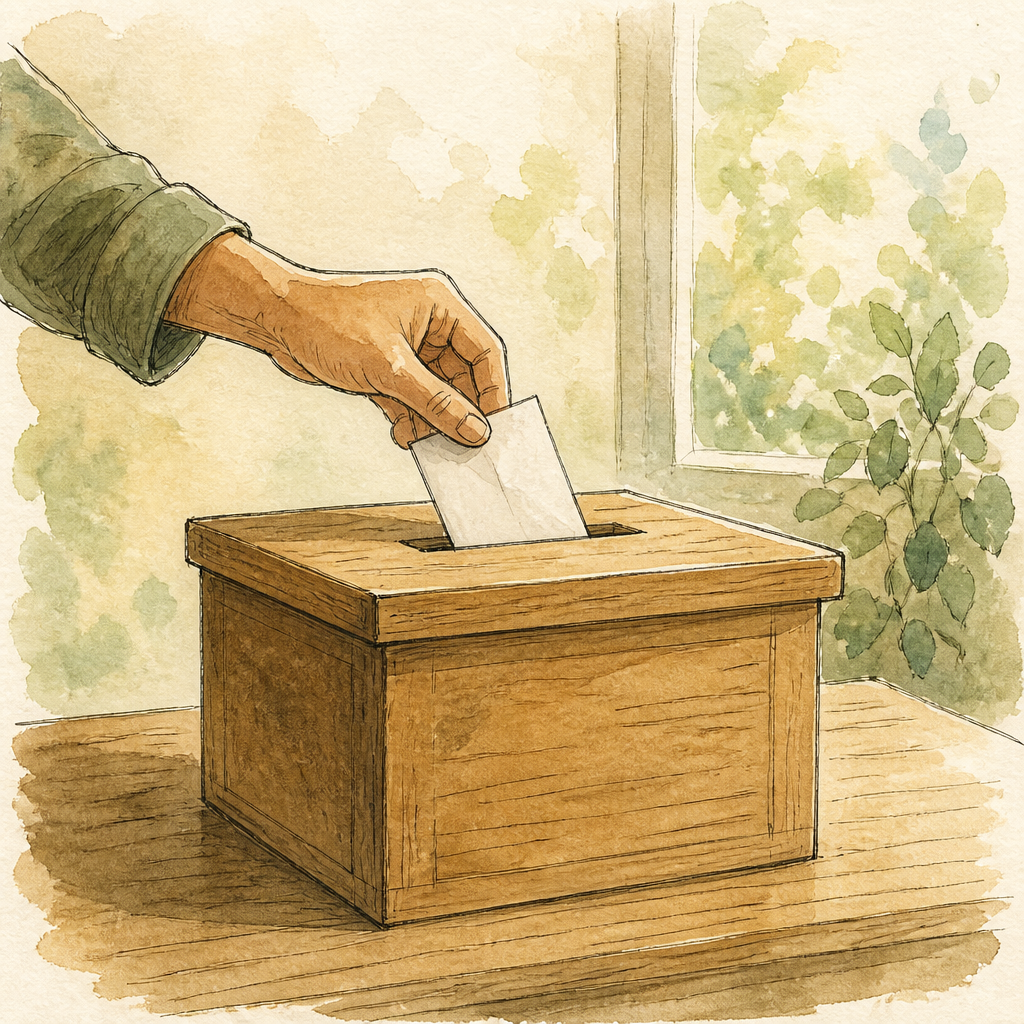
The Habit Before the Headline
Democracies rarely fall in a single afternoon; they are lent away, one ordinary Tuesday at a time — which is exactly when protest still works.
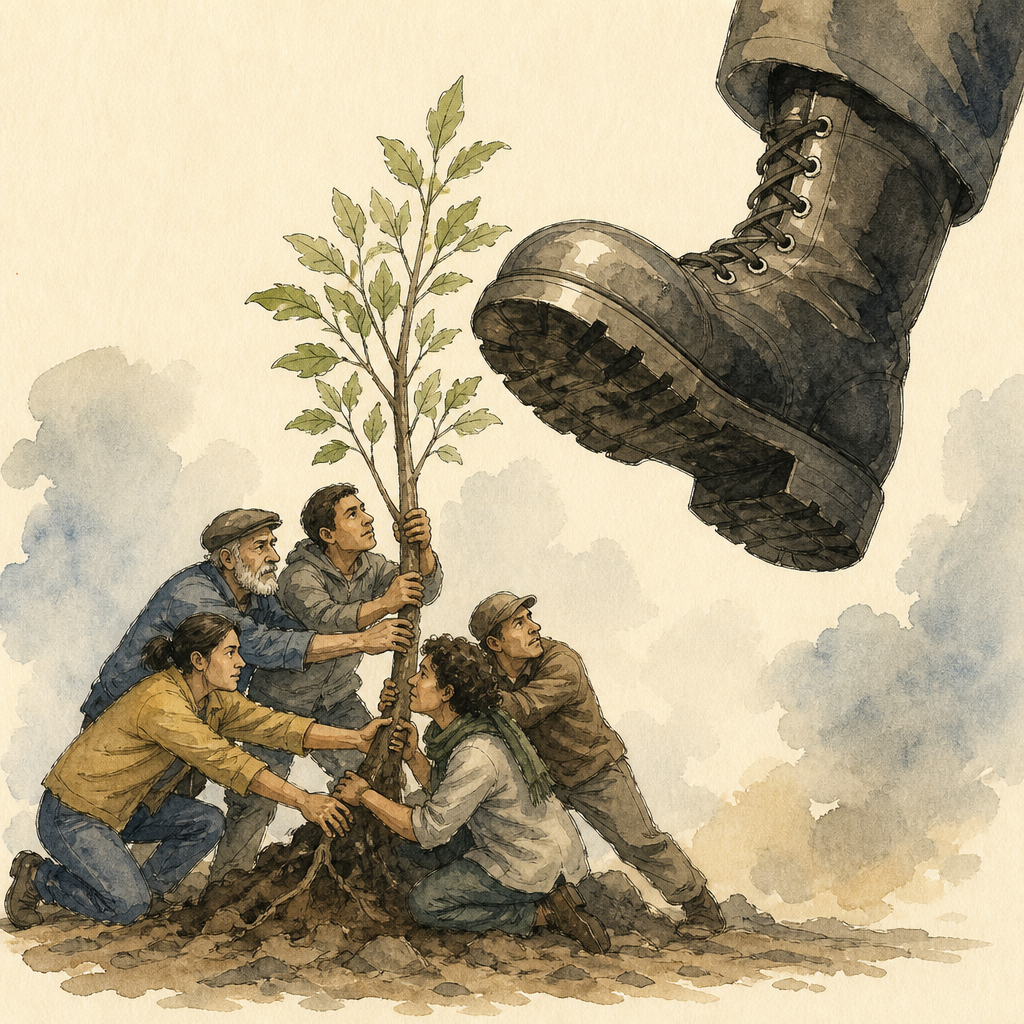
The Map Gets Honest Before the Politics Does
A UN vote to fix the size of Africa on the world map lands the same week Europe is asked, again, what its voice is actually for.
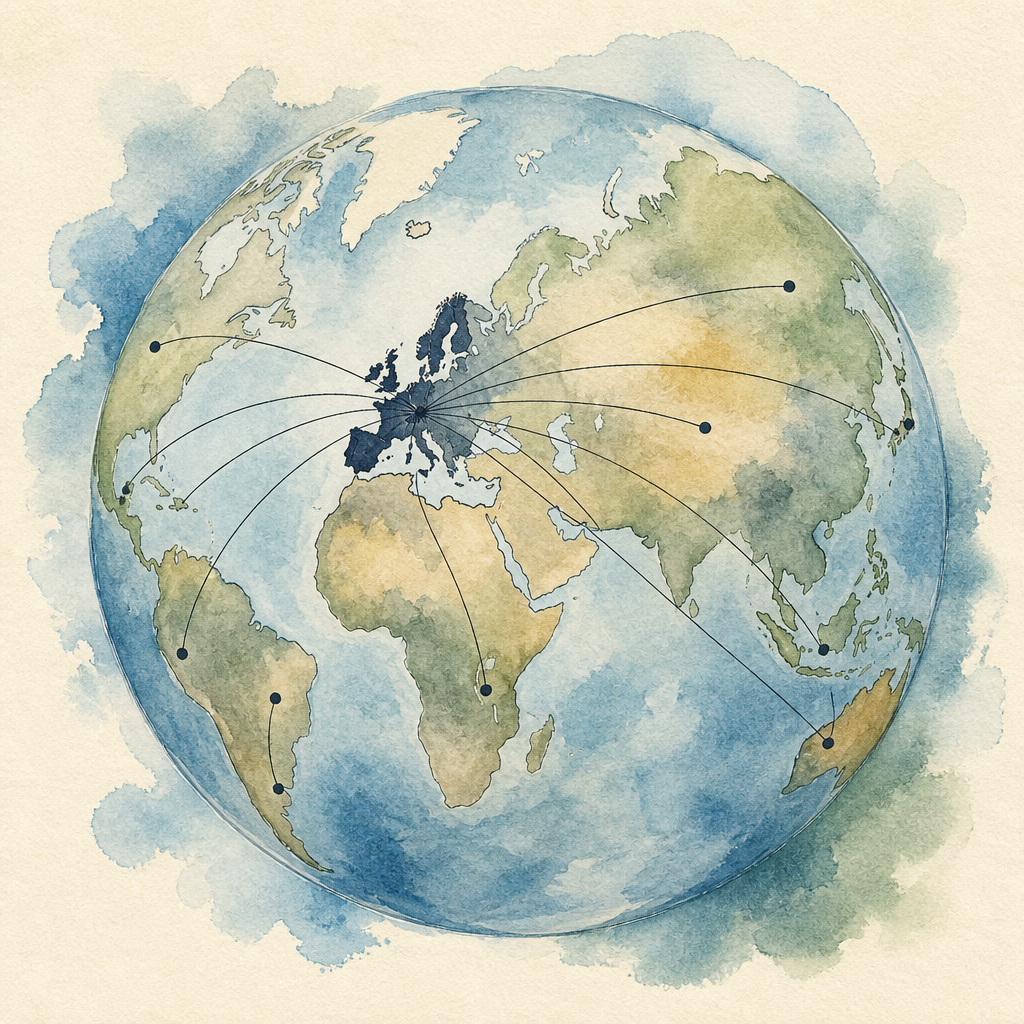
The Muscle Memory of Democracies: What Ukraine Teaches Guinea-Bissau, and Us
When a free people decides early that a border, a ballot, or a constitution is worth defending, the rest of the world learns something it cannot buy with oil deals or state visits.
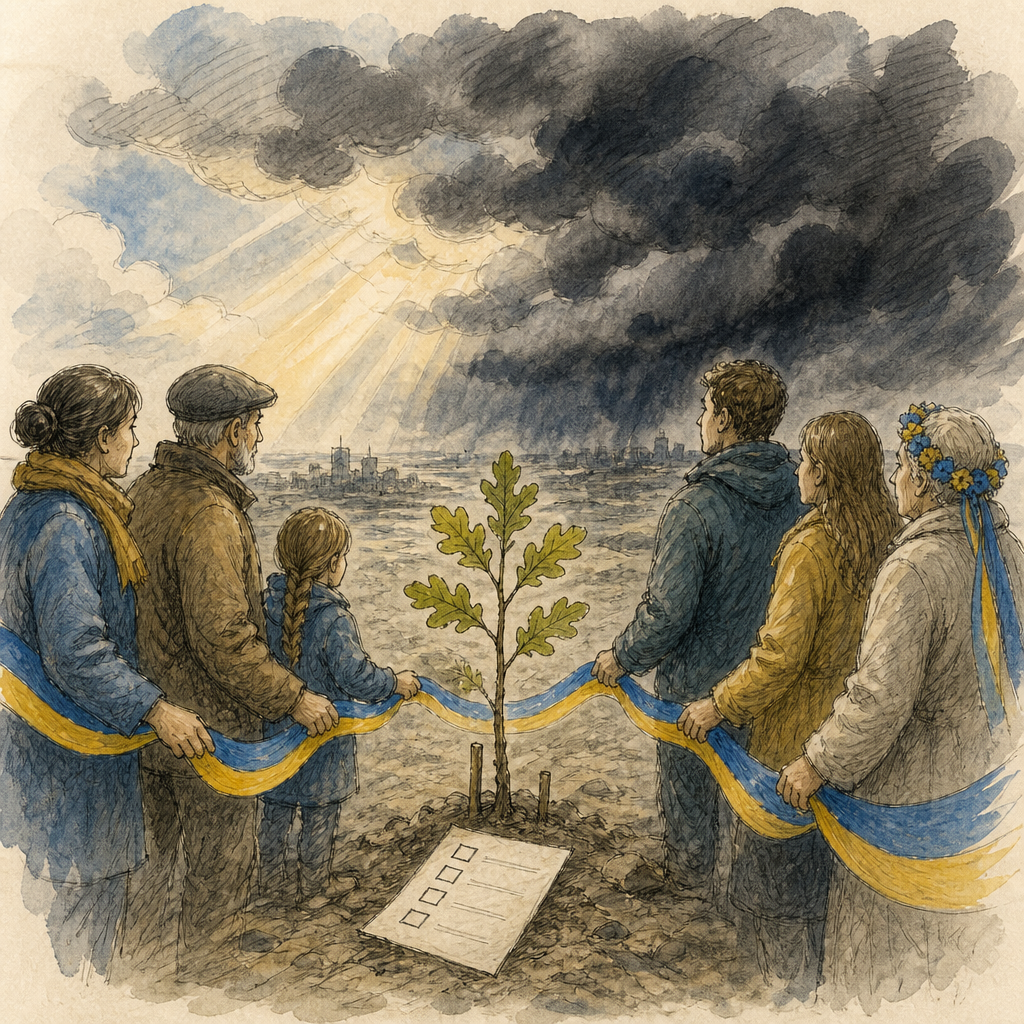
Malta's Acquittal and the Weather Vane of Democracy
When courts, constitutions and crackdowns on the young all move in the same direction on the same day, it is worth asking what instrument still tells the truth.
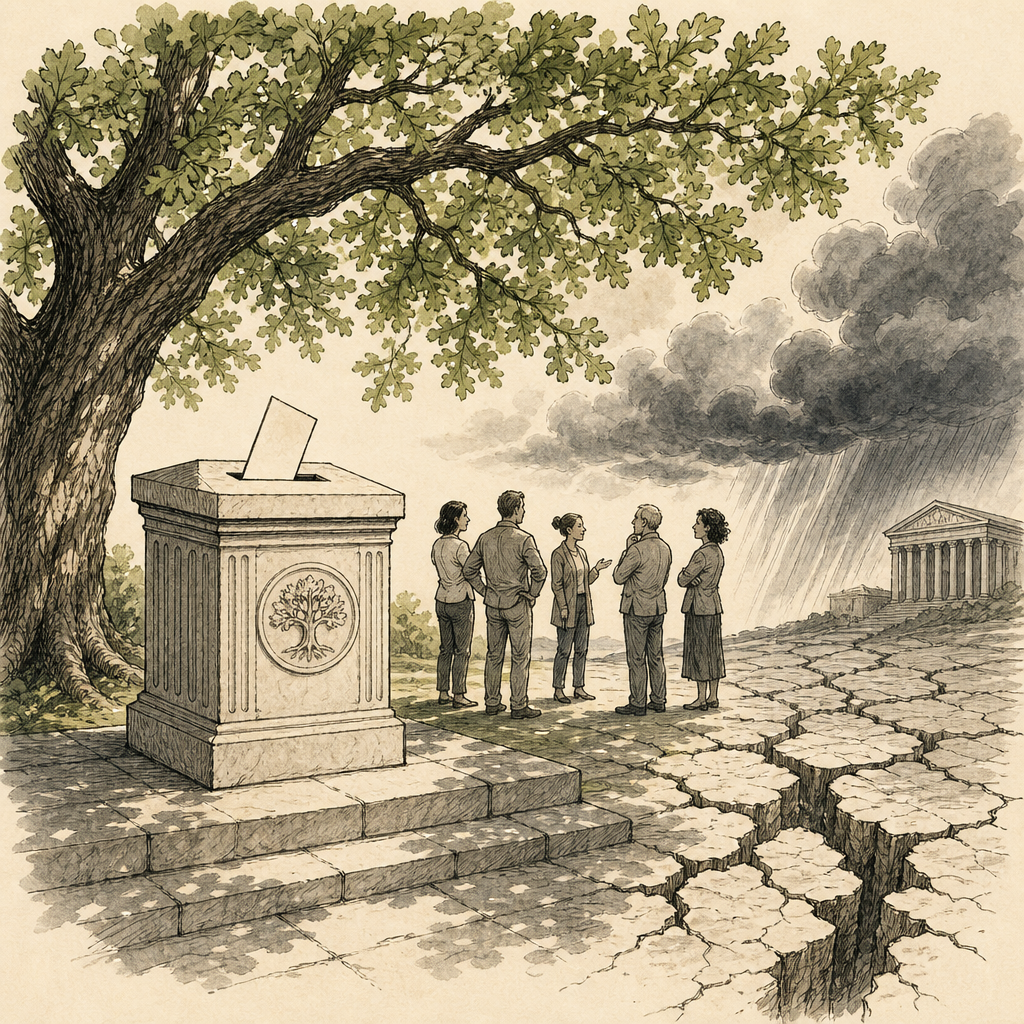
India's Invitation, and the Small Print Beneath It
A pavilion built to charm the world, a generation being courted and cuffed at once — what does India's example ask of the world's liberal democracies, and of itself?
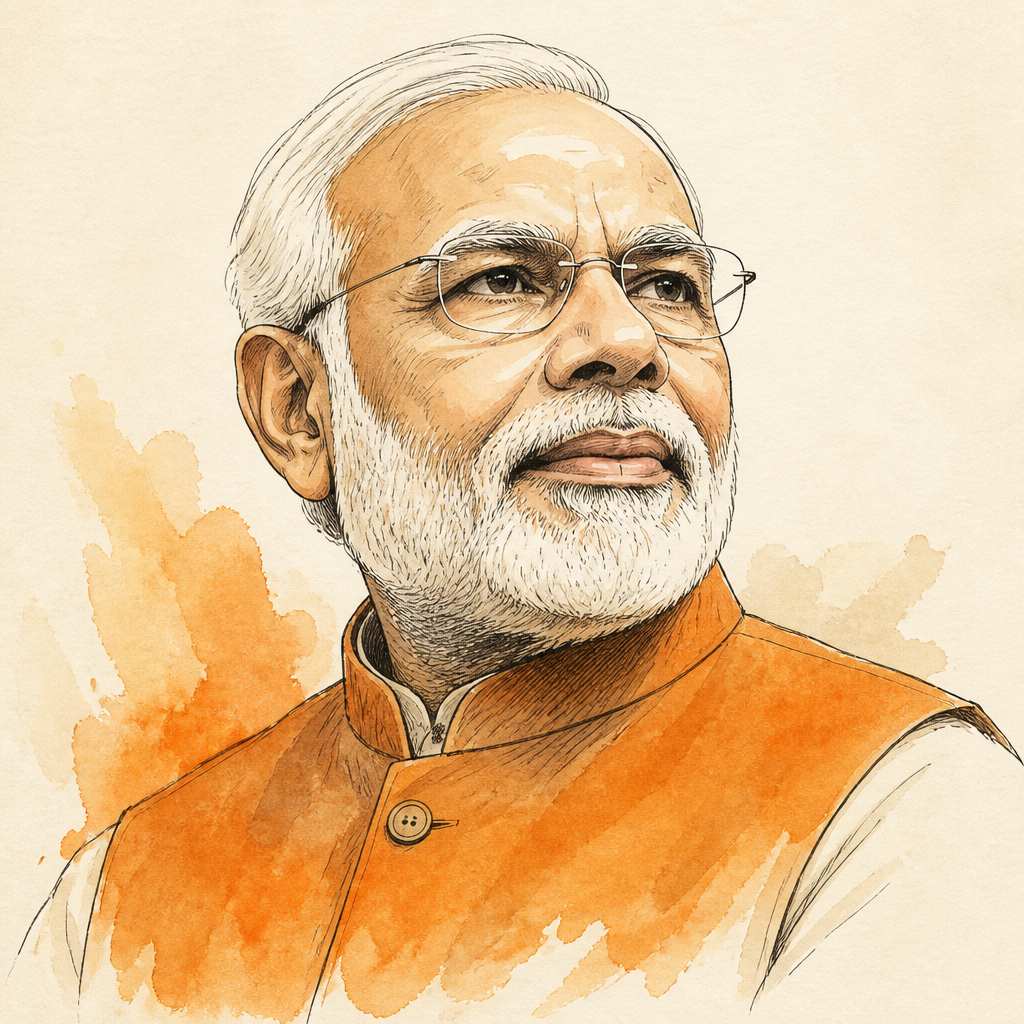
The Empty Chair Marked China
When the world's newest pressure campaign against Iran is described as having one big hole, it is worth asking what that hole tells us about the patience of the man who keeps it open.
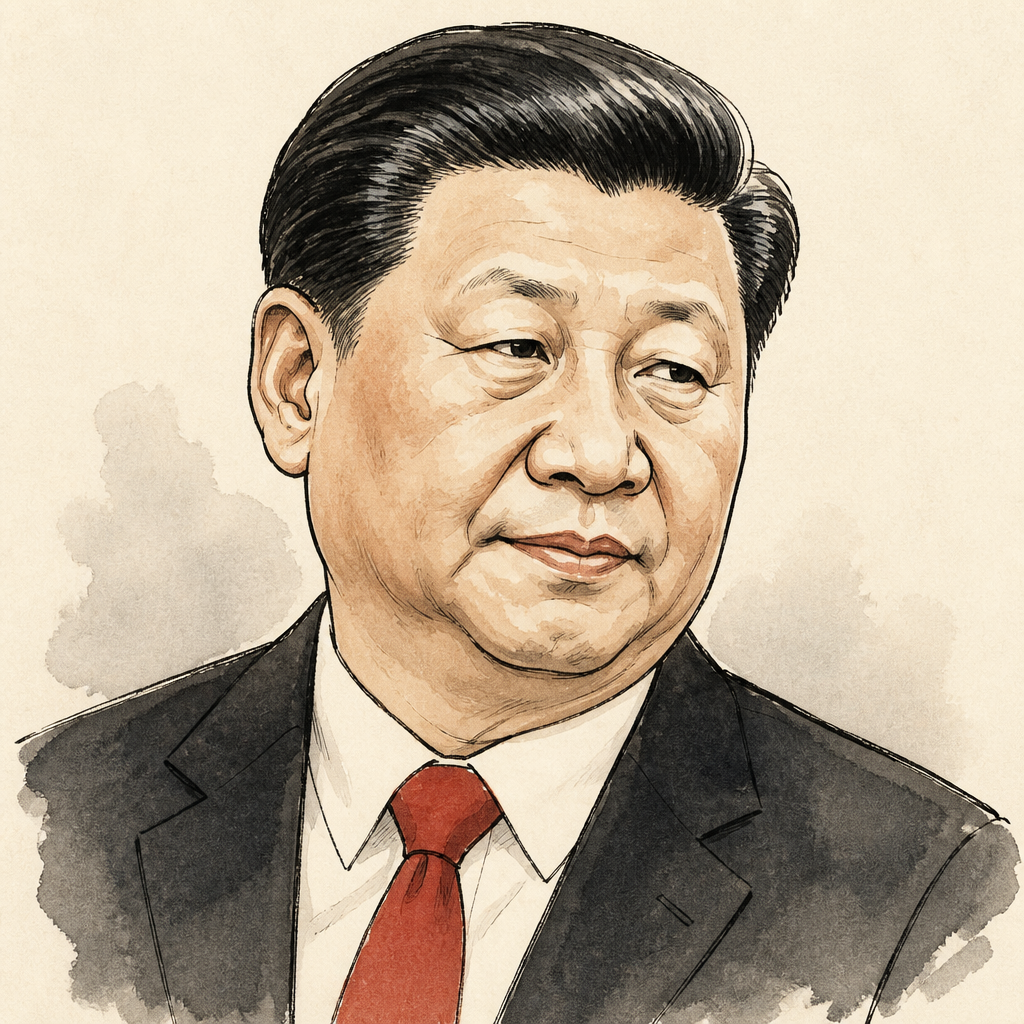
Rail Workers, Rubble, and the Fear We Keep Postponing
Among a day crowded with tunnels, deportations, deals and reviews, one fire has been burning without pause for years — and it is worth naming which fear deserves the front of the queue.
D-Day Rhetoric, Ordinary Heat: Measuring an Administration by Its Boring Numbers
When a government reaches for the language of invasion to describe sanctions, it is worth asking what quieter numbers it would rather you not read.
The Boring Virtue of Not Blaming the Neighbour
When a border incident, a flood, and a refugee camp all test the same question this week, the answer keeps turning out to be the same unglamorous habit: cooperation practiced daily, not proclaimed occasionally.
The Promise That Does Not Need to Shout
Iceland just said no to deeper EU talks while staying loyal to NATO, Ukraine keeps fighting without that alliance's promise, and Washington traded blows with Tehran alone — a good day to ask what collective defence is actually for.
Rename the Lake, Respect the Vote
When great powers squabble over what to call a lake, a small island nation quietly reminds everyone how sovereignty is actually decided.
The Uncertain Country and the Certain One
On a weekend when Iceland cannot yet say which way it will go and Beijing will not say what happened at all, it is worth asking which kind of not-knowing is healthy.
The Whistle That Doesn't Pick Sides
When a referee blows for both sides equally, and a state hides its own flood victims from view, the difference between a rule and a favour becomes very easy to see.
Historic, Said the Man Who Named It
When a leader announces his own greatness before history has had a chance to vote, it is worth asking who exactly is holding the mirror.
Renaming Lakes, Reelecting Presidents
Between a king's funeral and a lake's rebranding lies a useful question: what actually separates a vote from a coronation?
The King Cannot Work Today, and No One Calls Him Lazy
On a day when a monarch is too ill to appear and a helicopter pilot works past exhaustion to save strangers, it is worth asking why we grant one the benefit of the doubt and withhold it from the other.
Karbala's Crowds and a Warlord's Verdict on Belief
On a day when millions walked freely toward a shrine and a convicted killer of neighbours-by-faith died in custody, it is worth asking what freedom of conscience actually requires of us.
An Attack on One, a Tariff on the Other
Canada and the United States are bound by a promise that an attack on one is an attack on all — so what exactly is a tariff war between them supposed to prove?
The Oak and the Sledgehammer
On a day crowded with sudden shocks, the headlines that matter most are the ones about what took decades to build — and how fast it can be undone.
The World Has a Table; Not Everyone Was Invited
On a day when two rich neighbours argue over tariffs, it is worth asking who else is still standing outside the door, waiting for a chair.
The Mound That Fed Them
A landslide at a waste dump in Guinea, and a Navy family's six-month wait in Bahrain, ask the same question: does the world honour work, or only the word for it?
The Shield That Doesn't Need to Shout
Between Washington's talk of the 'greatest financial offensive ever' and London's quiet vow to stand by Ukraine, this week offers a small lesson in the difference between a shield and a sword raised for the cameras.
Crowns, Wars, and the Boring Machinery That Actually Runs Things
Between a king's failing health, a prime minister who says his country is 'at war,' and a treasury secretary announcing sanctions, the real story is how little of today's power actually depends on any of it.
Before the Joke Becomes a Border
When a powerful neighbour keeps calling you a future state, the wisest reply is not laughter but tariffs, tone, and today's ordinary protest.
Joining Is Not the Same as Being Swallowed
When a great power calls annexation a favour, the world gets a free lesson in why Europe chose the harder path of pooling sovereignty instead of losing it.
Two Kinds of War: One Files Paperwork, One Bombs a Mall
Ottawa and Washington argue over tariffs while Kyiv buries shoppers — a reminder that not all conflicts called "war" belong in the same sentence.
The Ballroom, the Border, and the Habit of Testing Limits
When a court must referee a president's building project, when allies are courted like rivals and rivals like partners, the health of a democracy shows less in its speeches than in its small refusals.
The Democracy That Didn't Sign the Letter
When three democracies spoke together this week and a fourth, larger one stayed quiet, the silence said something worth thinking about.
The Patience of Emperors: What Is Xi Waiting For?
While the world's attention scatters across a dozen fires, Beijing keeps winning the only battle it seems to be fighting today — the battle for time.
The Strongman Who Has Already Shown His Hand
Among the world's authoritarians, fear is not distributed evenly — and pretending otherwise is its own kind of danger.
The Toughness Ledger
When a nation owes forty trillion dollars and still finds the confidence to promise someone else a harder economy, the interesting question is not whether it can — but what kind of strength that promise is made of.
What Kind of Neighbour Sends Missiles at Breakfast
Between Kyiv's mourning and Ceuta's reversed policy on migrant children, this week offers two very different answers to an old question: what do we owe the people next door.
Solidarity Without an Invoice
When allies start billing each other for loyalty, it is worth remembering what Article 5 was built to guarantee — and what it was never meant to be.
Democracy, Now With Snooze Button
From Kyiv to Seoul to a Meta courtroom, this week's headlines share one quiet joke: power keeps promising rules, then asking for a rain check.
The Stall That Sells One Hundred Percent
When leaders, censors, and deadlines all claim certainty on the same day, common sense asks for the receipt.
The Referee Doesn't Care Whose Shirt You're Wearing
When the strongest player starts making the rules up as he goes, it stops being a match and becomes something older and uglier — and this week's headlines show the difference.
The Man Who Threatens Oman, and the Mirror He Doesn't Check
When a president can bomb one ally's neighbor for stubbornness and downgrade another's military drills for good behavior, the question is not what he will do next but why one man gets to decide.
211 Votes and One Whistle: FIFA's Democracy Problem
Football's world body counts every member the same way a parliament would, so why does one man's face keep appearing next to every head of state on the planet?
Rubble, Rifles, and the Right to Rest
Before a democracy asks anyone to work, it owes them an honest look at what stopped them.
Whose Conscience Gets a Visa?
On a day when the Taliban's ban on girls' schooling and Washington's cold shoulder to its Afghan allies both make headlines, it is worth asking what "freedom of belief" actually costs its defenders.
Article 5, and the Debts We Forget to List
NATO's founding promise says an attack on one is an attack on all — but promises kept only on the battlefield and forgotten at the visa office are not really promises at all.
The Patience of Oaks, the Hurry of Tyrants
Five years after the Taliban felled Afghanistan's civic canopy, and as Zambia counts votes haunted by an old rival's ghost, it is worth asking what actually regrows a country — and how long that takes.
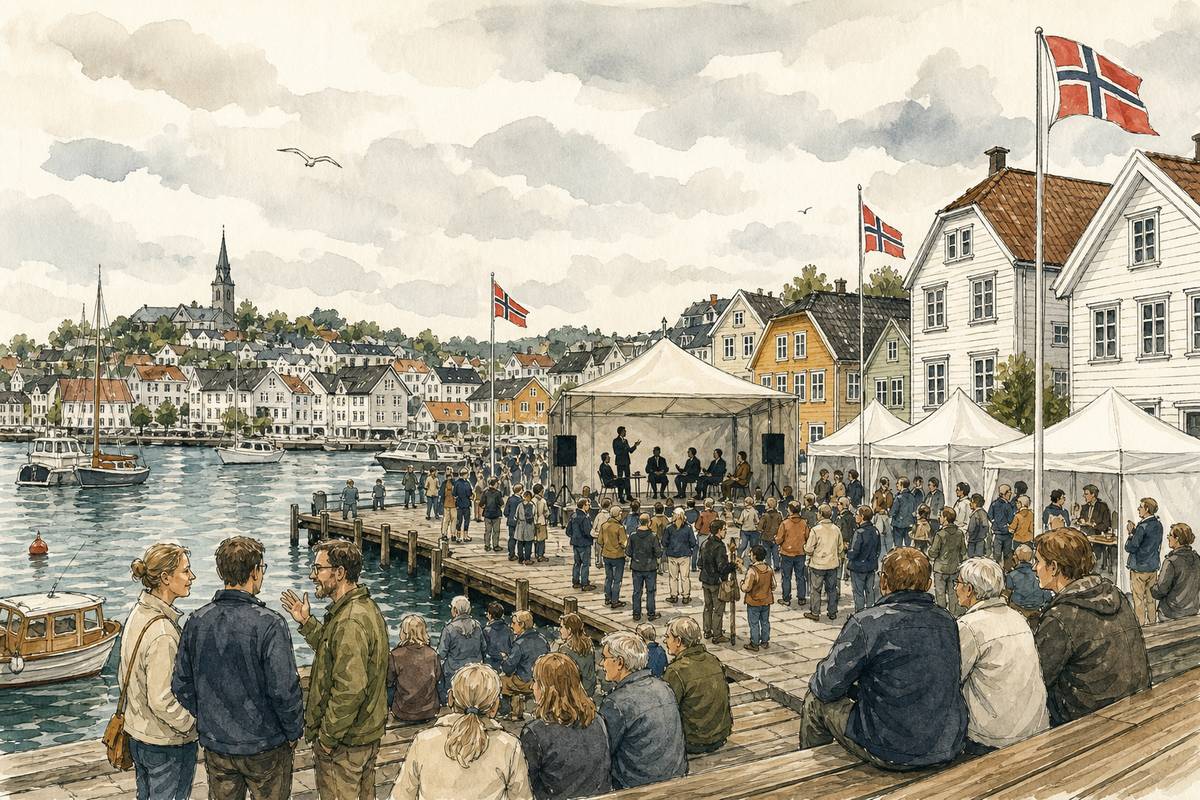
Arendal's Small Tents Against the World's Big Noise
Norway's yearly week of open-air political tents in a small coastal town offers a modest but useful measuring stick for a week when floods, ballots, and battleships all tested the same old question: who answers to whom?
The Guest List of the World
From a counting hall in Lusaka to a classroom in Kabul to a phone screen in Ceuta, today's news keeps asking the same old question: who gets a seat, and who is kept standing at the door.
The Mayor Who Got to Work, and the Sailors Who Couldn't Clock Out
When an earthquake hit western Colombia this week, the mayor of Cali reportedly did the plainest thing a public servant can do — he went to work; the same week, sailors on a US carrier at sea for more than 250 days remind us that the dignity of labour has a ceiling, and so does the patience of those who serve.
The Text-Only Drill: What Taiwan Understood This Week
A island that slows its own internet to practice losing it, a navy that seizes a tanker despite a threat, and a peace laureate who says the war cannot be won — three ways of holding a shield instead of waving a sword.
Ghosts, Islands, and the Boring Miracle of Counting Votes
A president sails to disputed rocks, a nation votes under the shadow of an absent rival, and somewhere the un-newsworthy business of tallying ballots keeps a habit alive that no parade can replace.
The Plane Was Swapped, and So Was the Subject
A president's dramatic change of aircraft, a quiet court ruling, and an extradition fight over influence all ask the same small question: when do we start noticing?
Passports Between Friends: What Spain's Checkpoints Say About Europe's Nerve
When two members of the same union start checking each other's papers, the question is not whether Europe can protect its borders, but whether it still trusts its own promise.
What an Empty Courtroom in Damascus Teaches an Occupied Front in Ukraine
A dictator sentenced to death in absentia and a democracy borrowing time under borrowed missiles both ask the same question: how early should the free world have acted?
The Quiet Tremors Before the Headline Quake
Colombia's earthquake reminds us that pressure builds silently before the ground finally moves — and the same is true of the small administrative decisions that either strengthen or slowly hollow out democratic life.
India's Floodwaters and the Arithmetic of Accountability
When a hundred people die in Assam and the number is printed rather than buried, that is not a small thing — it is the whole argument for democracy in one sentence.
The Patience of a Man Who Never Loses a Cycle
Washington is closing five consulates and critics fear Beijing will simply walk into the space left behind — which raises the harder question of what Xi Jinping is actually waiting for.
The Art of Being Unprovable
Among today's sixteen headlines, drones over a German base go unattributed and Ukraine barely gets a line — which is exactly the kind of morning that should worry a careful reader.
No Parallel States, No Parallel Streets
From a Danish housing law to a disarmament demand in Gaza to a checkpoint between Italy and Spain, the same democratic question keeps resurfacing: can a country run on two sets of rules at once?
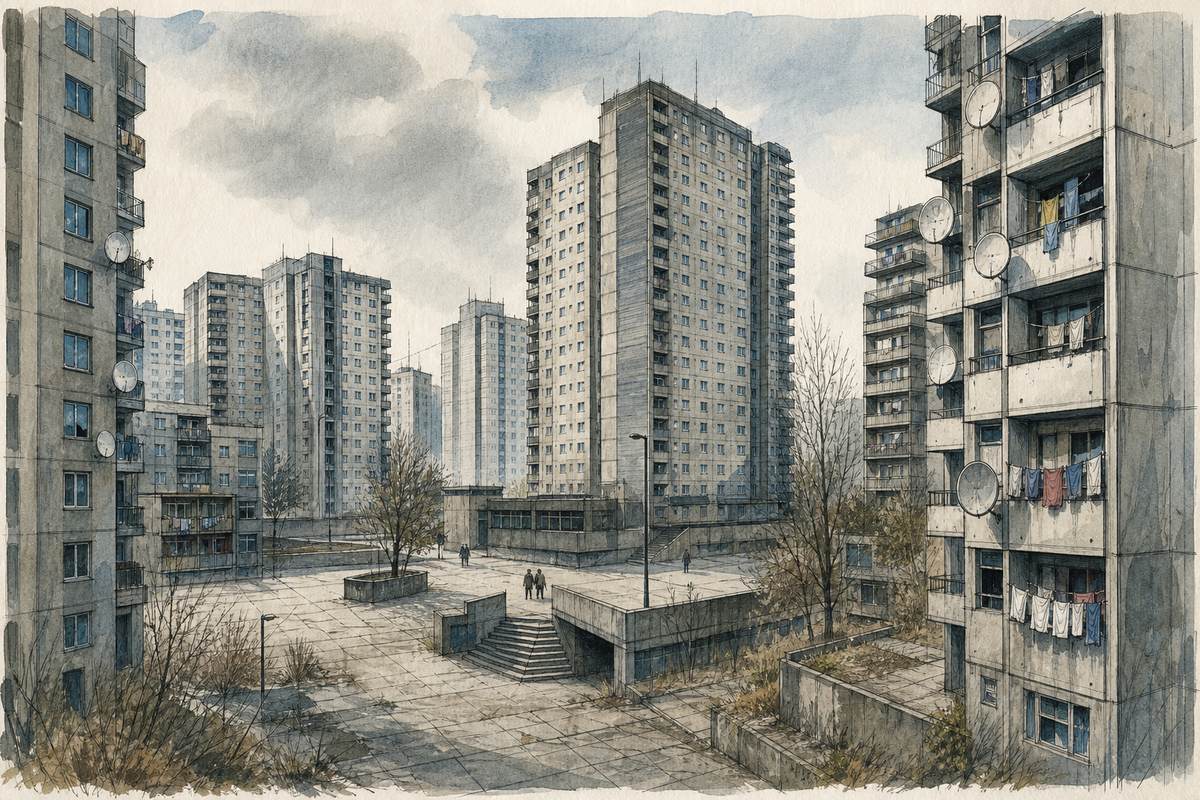
A Fifteen-Point Plan and Five Empty Consulates
When a great power announces solutions abroad while quietly closing its own doors, the world is entitled to ask which America it is dealing with.
When Good Neighbours Ask for Papers
Spain is putting temporary checks on travellers from Italy, inside the European Union that promised there would be none — a small test of whether cooperation between free countries is a habit or only a slogan.
The Boring Promise: Why Article 5 Works Because It Isn't a Show
Collective defence is not a fireworks display of billion-dollar gestures — it is the dull, dependable machinery that keeps children out of the news.
Fortress Schengen, Population: Two Suspicious Neighbours
Spain has found the border it can control — and, conveniently, it is not the one with the missiles.
The Executive Order That Forgot to Ask a Question
When three separate men this week declared absolute facts about borders, seas, and citizenship, the wiser move was not to argue back but to ask what they left out.
The Locker Room Test: Can a Federation Follow Its Own Rules?
Football keeps teaching the world that shared rules matter more than shared trophies — so what happens when the people who write the rules refuse to be bound by them?
Everyone Else Is the Leak
From Washington to Zurich to Rabat, the same reflex appears whenever power feels challenged: the problem is never the leader, only the people who noticed something.
FIFA Votes Like a Democracy, Behaves Like a Court
When two hundred and eleven football federations each hold one equal vote, the interesting question is not who counts them, but who still dares to cast a different one.
The Difference Between Idle and Locked Out
Before we ask why someone isn't working, common sense asks who closed the door — and whether it was ever open.
The Conscience Checkpoint
From Tehran's gallows to Ceuta's fences, the world keeps testing whether a belief needs a visa — and the answer, if freedom means anything, must be no.
Article Five and the Ones Left Outside the Sentence
NATO's promise that an attack on one is an attack on all only works if everyone agrees who counts as one — and this week's headlines from Kyiv, the Strait of Hormuz, and Ceuta ask, quietly, who does not.
What Grows Back After the Fence Comes Down
A border crisis in Ceuta, a boat fire in the Channel, and a photograph from Myanmar all ask the same quiet question: are we planting roots, or just building fences?
The Table Is Set, the Doors Are Locked
Borders can be orderly without being cruel — Ceuta, and the quieter exiles from Lagos to Havana, ask whether Europe and the world still believe that.
The Fence and the Order: What Work Owes the Worker
Two stories reaching the world's newsfeeds this week — a border crossing that ended in limbo and a factory floor where a boss's order proved fatal — ask the same old question about who gets to work, and on what terms.
The Shield That Doesn't Need Applause
When Kyiv burns overnight and Tehran talks flicker on and off with a single man's mood, it is worth asking what actually protects people — and what only performs protection.
Tuesday's Meeting Will Be Boring, and That Is the Point
When tens of thousands cross a fence in a single week, the measure of a democracy is not how loudly it reacts but how patiently it counts.
The Fence and the Table: Europe Decides What It Is, Again
When tens of thousands cross into Ceuta and interior ministers scramble to Brussels, the question is not only who gets in, but what kind of union does the letting in — or the turning away.
Kyiv Sinks a Ship, Ceuta Sinks a Slogan
On the same week Ukraine proves it can still defend itself, Europe's answer to boats from Morocco asks what 'solidarity' was ever supposed to mean.
Ceuta and the Word 'Selfish': What Europe Owes the Border It Shares
When tens of thousands cross into a Spanish enclave and Brussels calls an urgent meeting, the real question is not who guards the fence but who shares the weight behind it.
The Fence, the Judge, and the Man Who Calls Revenge Justice
When a border crisis, a reversed conviction, and a settler's alibi arrive in the same week, they are really asking the same question: do our institutions still hold when it is inconvenient to let them?
The World's Largest Democracy Waits in the Lobby
On a day when Europe squabbles over a border fence and football's own house doubts its landlord, it is worth asking why the planet's biggest democracy still stands outside the room where the decisions get made.
The Absence on Today's Front Page
On a day crowded with migrant tragedies, football politics, and battlefield strikes, one name is missing from the world's headlines — and that quiet is worth more scrutiny than any of the noise.
Nine Dead in Kyiv, and the Fear That Outlasts the Headlines
Among today's global alarms — border deaths, settler vengeance, disarmament deals, a returning ex-president — one figure still deserves more of our worry than the noise around him suggests.
A Deal, A Map, and the Confidence That Comes Before the Facts
When a superpower announces peace before verifying it, and mislabels a continent while doing so, the lesson is not about maps at all.
The Fence and the Fire Truck
On the same continent, in the same summer, Europe shows two very different ways of treating a stranger — and only one of them deserves the name neighbourly.
The Border You Didn't Notice You Crossed
Every August thousands of Europeans drive from one country to another without slowing down — and that ordinary miracle deserves more attention than the slogans built on top of it.
The Beginner's Guide to Ruling Forever (Terms and Conditions Apply)
A helpful, entirely unnecessary manual for anyone hoping to turn a five-year term into a lifetime achievement award.
The Sentence Everyone Quotes and Almost No One Reads
Article 5 is often summarized as an alarm bell, but its actual language is closer to a marriage vow — and vows are tested by patience, not just crisis.